Industries
Get direct access to our extensive portfolio of optical products and specialist technical expertise.

Choosing the right Vaccine Bags is a practical decision, not a simple purchasing exercise. Global buyers must assess temperature requirements, transport duration, payload size, and handling conditions. A bag that protects doses on a short city route may fail during a long international shipment. That difference matters.
Reliable selection begins with evidence. Buyers should review insulation performance, refrigerant placement, closure quality, and internal capacity. They should also request test reports, packing instructions, and clear temperature-monitoring guidance. A calibrated data logger can reveal what visual inspection cannot. Small details matter, such as a loose zipper, wet ice pack, or crowded inner chamber. These issues may affect product stability.
Real-world experience remains valuable. Warehouses become warm. Flights are delayed. Delivery staff may open the bag repeatedly. Therefore, this guide examines 2026 Vaccine Bags through performance, usability, compliance support, and supplier reliability. It considers reusable and single-use designs, passive cooling systems, and options for different distribution environments. No product is perfect. Some published specifications may not reflect every climate or route. Buyers should test shortlisted bags under representative conditions before placing large orders. That step can expose weak assumptions early. Better decisions come from measurable performance, not attractive packaging alone. A durable handle helps. Clear labeling helps more. Temperature control remains the priority.
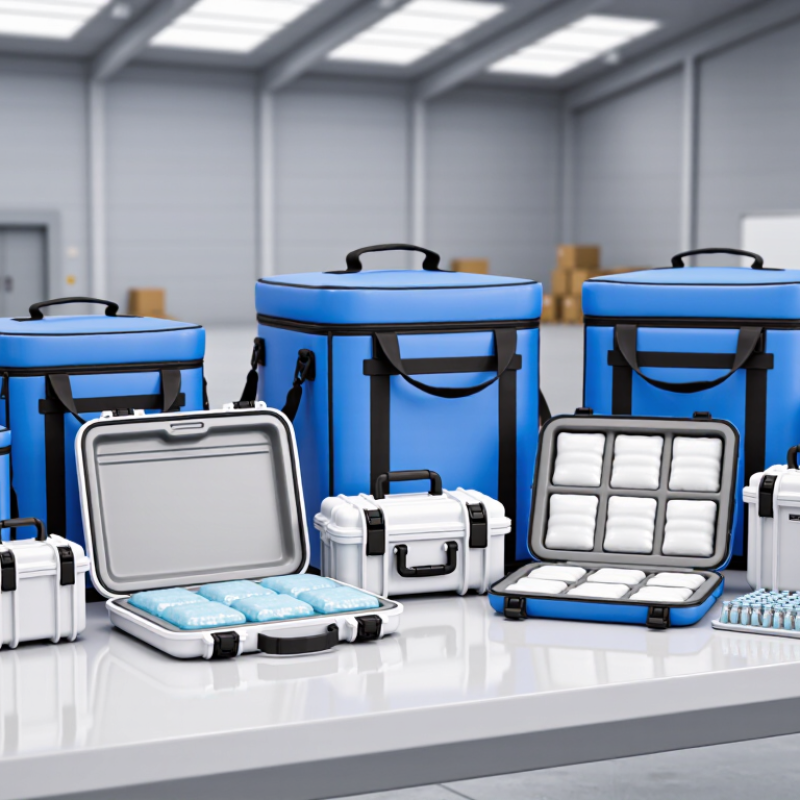
2026 Top Vaccine Bags for Global Buyers
Vaccine bags are more than insulated carriers. They form a controlled link between the manufacturer, courier, clinic, and patient. A reliable bag should maintain the required temperature range during loading, customs delays, airport transfers, and final delivery. Common features include insulated walls, phase-change materials, strong zippers, leak-resistant liners, and space for temperature monitoring. Bag size also matters. An oversized design can waste cooling capacity, while a tight fit may damage vials.
Global distribution demands evidence, not attractive specifications. Buyers should review temperature-mapping data, packout instructions, material quality, and test conditions. A bag qualified for a short domestic route may fail during a long international shipment. I have seen teams focus on insulation thickness and overlook handling time. That mistake can become expensive. No bag performs perfectly without correct preconditioning, packing, and monitoring. Results may also change with season, route, and payload.
Tips: Select bags according to vaccine volume, target temperature, and expected transit time. Use a calibrated data logger inside the payload, not beside it. Check seals and handles before every shipment. Keep written packout records for traceability. Trial the complete shipping process before large-scale purchasing. Some buyers may prefer reusable bags, but cleaning procedures, repair needs, and repeated validation deserve equal attention.
Vaccine bags should match the journey, not just the product. A short clinic transfer may need a lightweight insulated soft bag with secure compartments. These bags are easy to carry and store. Fit matters. They should prevent vials from moving against cold packs.
For longer routes, rigid insulated shippers offer stronger protection against crushing, vibration, and temperature swings. They suit air freight, regional distribution, and repeated handling. Phase-change coolant bags provide more stable temperatures than ordinary frozen packs. Their advantage is useful when freezing-sensitive vaccines travel through warm climates. However, coolant conditioning requires careful timing and documented procedures.
For high-risk temperature periods, active or advanced thermal bags may support tighter control. They can include temperature monitors, tamper-evident closures, and removable insulation panels. A qualified cold-chain specialist should review validation data, loading patterns, and expected transit time before purchase. Temperature indicators alone do not prove product quality. Placement matters.
A practical warning: oversized bags can create empty air space and unstable cooling. Small bags may lack enough thermal reserve. I would also question designs that look durable but lack replaceable seals or clear cleaning instructions. Easy handling is valuable during busy loading. So is visible labeling. Each shipment needs a recorded temperature history, trained handlers, and a backup plan for delays. No bag works perfectly under every route condition.
2026 Top Vaccine Bags for Global Buyers
Temperature Control, Insulation, and Cold Chain Performance
Vaccine bags must protect sensitive loads through handling, transport, and temporary storage. Temperature control begins with a qualified insulation system. High-density foam, reflective layers, and well-fitted closures can reduce heat transfer. However, insulation alone does not guarantee safety. Pack design must match the required temperature range, shipment duration, and outside climate.
A reliable bag should support validated coolant placement and steady internal airflow. Data loggers help reveal temperature changes that packaging tests may miss. For example, a bag placed in a hot delivery vehicle can warm near the zipper first. Small gaps matter. Buyers should review conditioning instructions, sensor locations, load capacity, and reusability before purchase. Clear records improve traceability and support quality decisions.
Cold chain performance also depends on people. Staff need simple loading steps, visible indicators, and practical handling training. Bags should resist moisture, abrasion, and repeated opening during inspections. No bag is perfect. Overpacking can reduce insulation performance, while excessive coolant can create freezing risks. This detail is often underestimated. Independent thermal testing, transport trials, and documented acceptance criteria provide stronger evidence than appearance alone. Global buyers should also confirm local storage requirements and emergency procedures before deployment.
| Vaccine Bag Category | Typical Temperature Band | Validated Hold Time | Insulation Construction | Reusable Cold Source | Usable Capacity | Approx. Empty Weight | Typical Payload | Temperature Monitoring | Recommended Use |
|---|---|---|---|---|---|---|---|---|---|
| Compact Vaccine Carrier | +2°C to +8°C | 24–36 hours | Closed-cell polyethylene foam with reflective outer laminate | 2–4 conditioned gel packs | 3–5 litres | 1.2–1.8 kg | Small-volume vaccine transport and diluents | Built-in liquid-crystal indicator or optional digital logger | Short rural routes, outreach sessions, and last-mile delivery |
| Standard Insulated Vaccine Bag | +2°C to +8°C | 36–48 hours | 25–35 mm polyurethane or high-density foam insulation | 4–6 reusable gel packs | 8–12 litres | 2.0–3.0 kg | Multiple secondary vaccine cartons | External digital thermometer pocket | Clinic replenishment and regional distribution |
| Large-Volume Cold Chain Bag | +2°C to +8°C | 48–72 hours | 30–40 mm polyurethane foam with reinforced thermal liner | 6–10 phase-change or gel packs | 15–25 litres | 3.5–5.5 kg | High-volume vaccine consignments | Continuous electronic logger recommended | Inter-facility transfers and longer domestic routes |
| Phase-Change Material Vaccine Bag | +2°C to +8°C | 48–72 hours | Multi-layer insulation with calibrated PCM panels | +5°C PCM panels | 8–18 litres | 3.0–5.0 kg | Temperature-sensitive vaccines requiring stable control | Digital temperature logger with alarm capability | International air freight and extended handling periods |
| Freeze-Sensitive Vaccine Bag | +2°C to +8°C with freeze protection | 24–48 hours | Thermal barrier separating payload from frozen coolant | Conditioned ice packs or +5°C PCM panels | 5–12 litres | 2.2–3.8 kg | Freeze-sensitive liquid vaccines | Freeze indicator plus digital temperature monitor | Winter distribution and shipments exposed to low ambient temperatures |
| Deep-Cold Vaccine Transport Bag | -25°C to -15°C | 24–48 hours | High-density foam with vapor-resistant inner liner | Frozen eutectic plates or dry ice, where permitted | 5–15 litres | 2.5–5.0 kg | Vaccines requiring frozen storage conditions | Low-temperature digital data logger | Specialized frozen transport under documented procedures |
| Air-Express Thermal Shipper Bag | +2°C to +8°C | 72–96 hours | Vacuum-insulated panels combined with polyurethane foam | PCM panels or qualified gel packs | 10–30 litres | 5.0–9.0 kg | Export consignments and high-value temperature-sensitive payloads | Real-time or downloadable electronic logger | Cross-border shipments and airport-to-clinic transport |
| Solar-Ready Field Vaccine Bag | +2°C to +8°C | 24–48 hours | Foam insulation with reflective, water-resistant outer fabric | Gel packs or PCM panels; optional solar-powered cooling accessory | 6–15 litres | 2.5–4.5 kg | Routine immunization supplies and temperature-sensitive medicines | Thermometer pocket and optional USB temperature logger | Remote areas with unreliable electricity and limited cold-storage access |
| Modular Vaccine Delivery Backpack | +2°C to +8°C | 24–36 hours | Removable insulated chamber with layered foam panels | 2–6 reusable coolant packs | 8–16 litres | 2.0–3.5 kg | Vaccine carriers, syringes, diluents, and small accessories | Dedicated probe channel for payload-area monitoring | Mobile vaccination teams and difficult-access communities |
| Returnable Heavy-Duty Vaccine Container | +2°C to +8°C | 72–120 hours | Rigid shell, polyurethane insulation, and replaceable thermal panels | PCM panels or qualified gel packs | 25–60 litres | 8.0–16.0 kg | Large consolidated vaccine loads | Multi-use electronic data logger with excursion record | National distribution centers and multi-leg supply chains |
2026 Top Vaccine Bags for Global Buyers
Safety, Compliance, and Quality Standards for International Buyers
For international buyers, a vaccine bag is more than an insulated container. It protects temperature-sensitive products during loading, customs handling, and last-mile delivery. A reliable design should resist leaks, tearing, and repeated opening. It should also support the required storage range defined by the vaccine manufacturer.
Ask for documented thermal testing under realistic conditions. Tests should include summer heat, winter exposure, vibration, and delayed delivery. A printed temperature range is not enough. Buyers should review test methods, sample sizes, and data logger records. Cold-chain performance must be proven, not assumed.
Compliance documents need careful checking. Depending on the destination, buyers may request material declarations, quality-management certificates, transport validation reports, and traceability records. Labels should show handling instructions, batch information, and clear temperature warnings. Local import rules can differ widely.
Small details matter.
Inspect the zipper, seams, handles, and inner lining. Weak stitching can fail before the insulation does. Reusable bags also need cleaning guidance and inspection criteria. In practice, some products look excellent but perform poorly after repeated use. That is an uncomfortable lesson. Supplier audits, sample shipments, and documented corrective actions can expose these weaknesses early. A transparent supplier should explain limitations instead of promising perfect protection.
Temperature-controlled vaccine bags must be selected according to the product label, validated holdover performance, and the applicable cold-chain procedures. The chart shows commonly used vaccine storage bands: refrigerated vaccines at 2–8°C, frozen vaccines at −25 to −15°C, and ultra-cold products at −90 to −60°C.
Buyer checklist: Confirm temperature mapping, calibrated data logging, leak resistance, insulation performance, tamper evidence, and documented GDP or WHO-aligned handling procedures before international procurement.
Choosing vaccine bags in 2026 requires more than checking insulation thickness. The WHO estimates that up to 50% of vaccines have historically been wasted, mainly because of temperature failures, logistics, and shipment delays. That figure may vary by region, but it shows the cost of weak cold-chain decisions.
Compare each bag against its intended payload and route. A reliable model should maintain the required temperature range, often 2–8°C, for the complete delivery window. Check independent validation, holdover time, coolant conditioning instructions, and data-logger compatibility. WHO Performance, Quality and Safety specifications provide useful benchmarks for vaccine carriers and cold boxes. A bag that stays cold for 24 hours in a laboratory may perform differently in a crowded vehicle at 35°C.
Look closely at internal space. Vials should remain separated from frozen packs, not pressed against them. Durable handles, washable linings, leak resistance, and clear identification panels matter during repeated field use. UNICEF procurement data also shows the importance of standardized, serviceable equipment in large immunization programs. Still, specifications can mislead. I would test a shortlist on the actual route, including opening frequency and loading errors. Real conditions are rarely polite. A small pilot with temperature records can expose weaknesses before a full purchase.