What are Adapters and Assembly Parts for Global Procurement?
In the world of global procurement, understanding "Adapters & Assembly Parts" is crucial. Experts like John Thompson, a veteran in manufacturing, once stated, "The right adapters can transform your supply chain efficiency." His insights highlight the importance of these components.
Adapters serve as connecting elements in various applications. They enable compatibility between different systems and components. Assembly parts hold multiple items together, ensuring that products function properly. The integration of these parts is key in industries ranging from automotive to electronics.
However, the reliance on these components raises questions. Are manufacturers considering the quality and sourcing of their adapters and assembly parts? Inconsistent standards can lead to failures. Every procurement team must evaluate their suppliers thoroughly. The need for reliable partners is essential for success in a competitive global market. Understanding these nuances can significantly impact overall production efficiency.
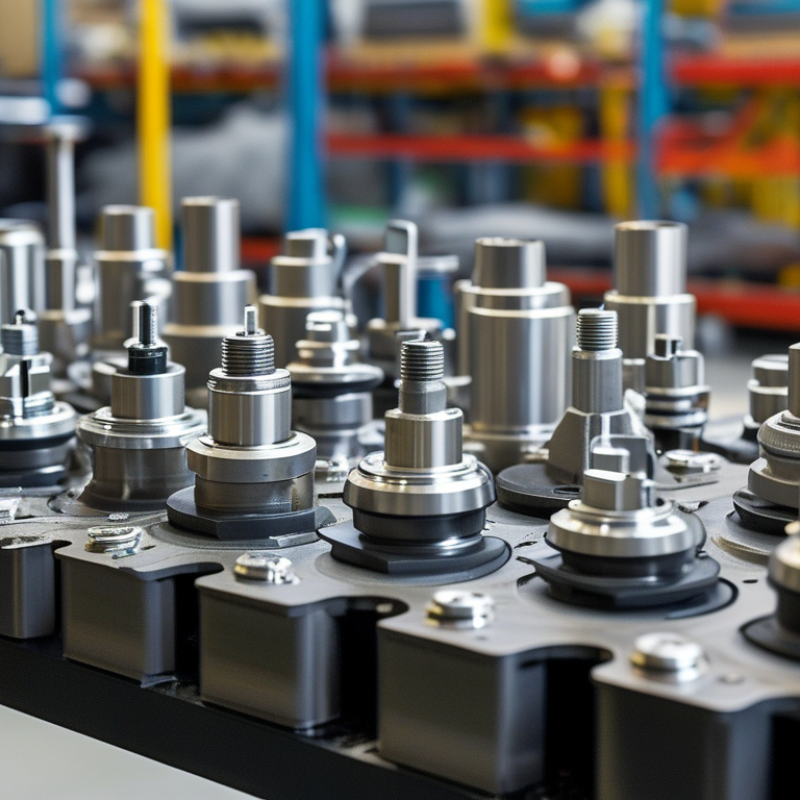
Definition and Purpose of Adapters in Global Procurement
In global procurement, adapters serve as crucial components that facilitate efficient international trade. These parts bridge the gap between different systems, specifications, and standards across various markets. The purpose of adapters is often overlooked, yet they significantly impact supply chain effectiveness. They allow products to fit together seamlessly, regardless of their origin. Without adapters, compatibility issues might lead to delays and increased costs.
The importance of adapters lies in their ability to support diverse manufacturing processes. Different regions might have varying product standards, and adapters ensure that these differences do not hinder business operations. For instance, an adapter might convert voltage levels for electronic devices designed in different countries. However, not every adapter is reliable. There can be quality concerns that can compromise performance. Organizations must be diligent in selecting trusted suppliers.
Investing in the right assembly parts and adapters can improve operational efficiency. Yet, it is also essential to recognize that mismanagement in procurement can lead to wasted resources. Identifying the right balance between cost and quality is critical. Sometimes, cheaper options may not provide the necessary performance, leading to further complications down the line. The complexity of global procurement demands careful consideration and ongoing evaluation of the parts used in assembly.
What are Adapters and Assembly Parts for Global Procurement? - Definition and Purpose of Adapters in Global Procurement
| Dimension | Description | Purpose | Usage in Procurement |
| Adapters | Components that enable compatibility between different parts | Facilitate integration of diverse systems or products | Used to ensure parts from different manufacturers can work together |
| Assembly Parts | Various components necessary for the assembly of a system | Enable the construction of complex products from simpler components | Critical for building products that meet specific operational needs |
| Compatibility Standards | Guidelines ensuring interoperability of components | Enhance efficiency and reduce errors in production | Key in global procurement to avoid costly mismatches |
| Quality Assurance | Systems in place to ensure parts meet standards | Guarantee reliability and safety of products | Essential in maintaining product integrity in procurement |
Types of Adapters Used in Various Industries
Adapters play a crucial role in global procurement. They facilitate the connection between different systems and devices across various industries. From electronics to manufacturing, adapters ensure compatibility. Each industry has its unique demands, leading to the development of specialized adapters.
In the automotive sector, electrical adapters are vital for integrating components. They assist in connecting wiring systems from various manufacturers. Similarly, in the IT field, cable adapters are essential for linking devices that use different standards. These can range from USB to HDMI, allowing seamless communication between devices.
Moreover, the healthcare industry utilizes adapters for medical devices. These small components can significantly impact patient care. However, challenges arise when standards change or new technologies emerge. Adapters must evolve to meet new requirements. This constant shift can lead to compatibility issues, necessitating careful consideration during procurement processes. Understanding these nuances is vital for successful integration.
Overview of Assembly Parts and Their Role in Procurement
In global procurement, assembly parts play a crucial role. These components contribute to the overall functionality and efficiency of products. Understanding assembly parts is essential for businesses looking to optimize their supply chains.
Assembly parts vary widely in type and application, from simple connectors to complex mechanisms. They can be sourced from multiple suppliers, which adds complexity to procurement. Each part must meet specific quality standards to ensure a smooth assembly process. Failure to recognize this can lead to production delays and increased costs.
Procuring components globally can also introduce challenges. Different countries may have varying regulations and quality expectations. This inconsistency requires a thorough understanding of both local and international standards. Companies must invest in research and supplier relationships to navigate this landscape effectively. Reduced communication can hinder procurement efforts, making these relationships vital. A well-informed approach can mitigate risks and enhance procurement efficiency.
Global Procurement Overview: Adapters and Assembly Parts
This bar chart illustrates the quantities of various assembly parts and adapters procured globally. The data reflects the emphasis on different types of parts in global procurement efforts, indicating the widespread use of connectors and adapters in modern supply chains.
Key Considerations for Selecting Adapters and Assembly Parts
When selecting adapters and assembly parts for global procurement, several key considerations come into play. Understanding the specific application is critical. Each component must meet the technical specifications of your project. This includes dimensions, materials, and compatibility with other parts.
Quality control is often overlooked. It's important to assess manufacturers' quality assurance processes. This ensures reliability and performance. Inspecting samples can help identify potential issues before bulk orders are placed. Inconsistent quality can lead to disruptions and increased costs.
Sustainability is becoming a pressing concern in procurement. Adapters and assembly parts that are eco-friendly should be prioritized. Ensure that suppliers adhere to environmental standards. This can have a positive impact on your brand image. However, balancing cost and sustainability remains a challenge. Not all cost-effective options are environmentally friendly.
Best Practices for Managing Adapters and Assembly Parts in Supply Chains
Managing adapters and assembly parts in supply chains requires a keen focus on efficiency and reliability. These components often serve as vital connections in complex machinery. Identifying the right suppliers is crucial. Building relationships with multiple vendors can mitigate risks. When a supplier faces delays, having alternatives can keep production on track.
Tracking inventory levels is another essential practice. Regular audits help assess stock and prevent shortages. Using inventory management software can automate this process. However, many companies underestimate the need for accuracy in this area. Poor tracking can lead to overstocking or, worse, production halts. Communication across different teams is vital to ensure that assembly parts remain available when needed.
Additionally, investing in training for staff is often overlooked. Teams must understand the specifics of assembly parts to optimize their usage. Common issues arise from improper handling or a lack of knowledge. Reflecting on past errors can provide valuable lessons. Continuous improvement in managing these components can enhance the entire supply chain's agility.