Top 5 Benefits of Using Optical Fiber Cables for High-Speed Internet Connectivity

In today's fast-paced digital landscape, the demand for high-speed internet connectivity continues to soar. As organizations and individuals increasingly rely on robust internet services for everyday tasks, the importance of choosing the right infrastructure has never been more critical. Among the various technologies available, **optical fiber cables** have emerged as a frontrunner, unlocking unprecedented opportunities for speed and reliability. According to a report by the International Telecommunication Union (ITU), fiber-optic networks can deliver internet speeds of up to 1 Gbps and beyond, significantly outperforming traditional copper connections.

The superiority of **optical fiber cable** is evidenced by statistics showing that cities harnessing fiber optics experience up to 90% higher broadband penetration rates. This technology mitigates issues such as latency and signal degradation over long distances—common challenges faced by older network infrastructures. As we delve into the top five benefits of utilizing optical fiber cables, it becomes clear that adopting this cutting-edge technology isn't just advantageous; it is essential for those looking to future-proof their internet connectivity in an increasingly connected world.


Top 5 Benefits of Using Optical Fiber Cables for High-Speed Internet Connectivity

Advantages of High Bandwidth and Speed with Optical Fiber Connections

Top 5 Benefits of Using Optical Fiber Cables for High-Speed Internet Connectivity

The demand for high-speed internet connectivity continues to soar, and optical fiber cables emerge as a significant solution, offering unprecedented advantages in bandwidth and speed. According to a report by the Fiber Broadband Association, fiber-optic internet can deliver speeds up to 1 Gbps or even 10 Gbps, far surpassing traditional copper and coaxial cables, which typically max out at a fraction of that rate. This disparity not only enhances consumer experiences for streaming, gaming, and working from home but also meets the increasing requirements of businesses for efficient data transfer and real-time communication.

Moreover, the latency associated with optical fiber connections is remarkably low, often around 5–20 milliseconds, as reported by the International Telecommunication Union. Such rapid response times are crucial for applications where delays can hinder performance, like video conferencing and online gaming. Additionally, fiber optic technology is inherently more reliable, with fewer disruptions from electromagnetic interference or environmental factors. As industries shift toward cloud computing and IoT, the scalability offered by optical fiber networks becomes an indispensable asset, enabling a seamless and robust infrastructure for future connectivity needs.
Improved Reliability and Reduced Latency in Data Transmission

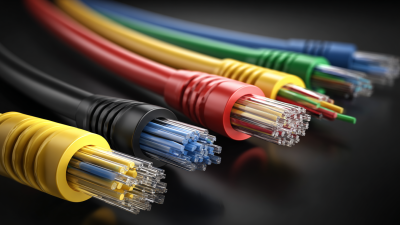
The demand for reliable and high-speed internet connectivity has never been higher, particularly with the increasing reliance on real-time applications and services. Optical fiber cables play a crucial role in meeting these demands, significantly improving reliability and reducing latency in data transmission.

With their ability to transmit data over long distances without degradation, optical fiber cables offer superior performance compared to traditional copper cables. This ensures that users experience uninterrupted connectivity, which is essential for activities ranging from video conferencing to online gaming.

Moreover, the integration of optical fiber technology into next-generation networks, such as 5G and upcoming 6G systems, enhances the capabilities of these infrastructures. By facilitating low-latency communication, optical fibers support advanced applications like drones and IoT devices, which require real-time data processing and transmission.

As these technologies evolve, the role of optical fiber cables will become increasingly pivotal in ensuring efficient and fast data pathways, enabling a seamless digital experience across various sectors, from public safety to smart cities.

Enhanced Security Features of Fiber Optic Communication

Fiber optic communication offers enhanced security features that are becoming increasingly critical in today's digital landscape. Unlike traditional copper cables, fiber optic cables transmit data as light, making them inherently difficult to tap into without detection. According to a report by the Fiber Optic Association, fiber optic systems provide up to six times the bandwidth capacity of copper, which not only improves speed but also makes the network less susceptible to interception.

Moreover, the nature of fiber optics means that any attempt to physically access the connection would likely disrupt the signal, alerting users to a potential security breach. A study by the Pew Research Center indicated that over 60% of organizations are prioritizing cybersecurity measures, and utilizing fiber optics is a proactive step towards safeguarding sensitive data. Additionally, the use of advanced encryption methods in fiber optic communication can further protect information from cyber threats, ensuring that the data transmitted remains confidential and secure. The combination of these features places fiber optic technology at the forefront of secure communication solutions.

Top 5 Benefits of Using Optical Fiber Cables for High-Speed Internet Connectivity

Greater Scalability for Future Network Expansion with Fiber Cables

Optical fiber cables are revolutionizing the way we think about network scalability, especially in an era where data demands are soaring. As enterprises and service providers gear up for future expansions, fiber optics offer unparalleled advantages. Notably, they provide the capacity necessary to support burgeoning technologies such as cloud computing, AI, and immersive media. With advancements in optical LAN solutions, businesses can implement solid infrastructures that not only meet current needs but also adapt seamlessly as demands evolve, ensuring long-lasting connectivity.

Tips for optimizing your fiber network include regularly assessing your bandwidth requirements and considering modular upgrades that allow for easy scalability. Additionally, fostering partnerships with technology innovators can help leverage new developments, such as structured cabling systems designed for high-density environments. Staying informed about the latest trends and solutions will equip your enterprise to tackle future challenges effectively, ensuring that your network remains robust and future-proof.

Top 5 Benefits of Using Optical Fiber Cables for High-Speed Internet Connectivity

Benefit Description Scalability Impact Potential Speed Increase
High Bandwidth Fiber optic cables provide significantly higher data transfer rates than traditional copper cables. Supports future increases in bandwidth demand. Up to 1 Gbps or more.
Long Distance Transmission Fiber optics can transmit data over much longer distances without signal loss. Enables wider geographic coverage for networks. No significant speed loss over 100 kilometers.
Improved Security Fiber cables are less susceptible to interference and tapping than copper cables. Supports secure data transmission for sensitive information. No impact on data speed.
Lower Latency Fiber optics offer faster data delivery, resulting in lower latency than other network types. Enhances real-time communication and applications. Reduced latency up to 50 ms.
Future-Proof Technology As technology advances, fiber is capable of supporting faster speeds and greater bandwidth. Facilitates easy upgrades without major infrastructure changes. Speed capabilities continue to grow over time.

Cost-Effectiveness and Long-Term Savings of Fiber Optic Internet Solutions

Optical fiber cables offer remarkable cost-effectiveness and long-term savings for high-speed internet connectivity. While the initial installation costs may be higher compared to traditional copper cables, the overall value of fiber optic solutions quickly becomes apparent. Optical fibers have a longer lifespan and are less prone to maintenance issues, which translates into reduced operational costs. Their capacity to transmit data over long distances without significant signal loss ensures that businesses and consumers can enjoy uninterrupted service, reducing the need for frequent upgrades or replacements.

Moreover, the efficiency of fiber optic technology results in substantial long-term savings. Higher bandwidth capabilities allow for multiple users to connect without degrading speed, making it an ideal solution for both residential and commercial enterprises. As more applications demand faster internet speeds, investing in fiber optics means that users are well-equipped to meet future demands. This forward-thinking approach not only lowers the risk of financial strain from upgrading outdated systems but also enhances productivity and service quality, creating a win-win scenario for users.