Industries
Get direct access to our extensive portfolio of optical products and specialist technical expertise.
Choosing the best Super Bright Led Light Bar from China takes more than comparing advertised lumens. A bright beam can still leave dark patches, create distracting glare, or disappoint on a rough road. Check the beam pattern, measured output, housing materials, heat management, and connector quality. Look for clear product specifications and testing details, not just dramatic product photos.
Lighting researcher Dr. John Bullough’s work highlights an important principle: visibility depends on how light is distributed, not simply how much a lamp produces. This is a summary, not a verified direct quotation; no source interview was provided to confirm his exact words. The distinction matters. A well-designed bar should place light where the driver needs it, while its sealed housing and sturdy mounts handle vibration and weather. Ask manufacturers for beam measurements, operating-temperature information, and warranty terms. Then compare the same details across models. Small details count. A thin bracket or vague specification can signal a purchase worth reconsidering. This guide examines what “super bright” means in practice and how to assess Chinese-made options with evidence rather than claims. Expect trade-offs: maximum output is not always the best fit for every vehicle or task.
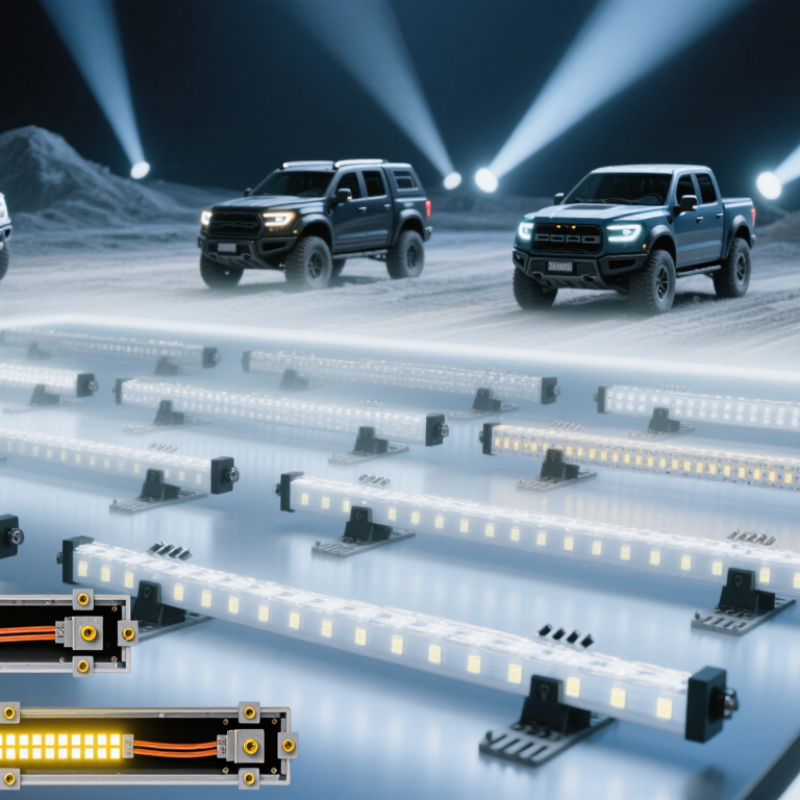
A super bright LED light bar is not defined by its advertised lumen figure alone. That number may describe theoretical output before the lens, reflector, and heat affect performance. Look for measured beam intensity, often reported in lux at a stated distance, plus a clear test method. Numbers need context. A focused spot beam can throw light far down a road, while a flood pattern spreads illumination across nearby ground. For practical use, the beam should match the task without creating harsh glare or dark gaps.
Tips: Check whether the specifications distinguish raw lumens from measured output. Review the beam pattern, operating voltage, and current draw. A light bar that runs hot may lose output over time, so examine its housing and heat-dissipation design. Small details matter.
Build quality also helps define brightness you can rely on. Sealed connectors, sturdy mounting points, and a stated water- and dust-resistance rating can support consistent operation in rough conditions. Color temperature affects how light appears on wet pavement or pale gravel; a very cool white tone is not automatically easier to use. Compare independent test results when available, and check that measurements use comparable conditions. A high number can impress, but it cannot describe every real-world beam. Some product specifications leave questions unanswered, so careful comparison is worthwhile.
A bright light bar is not defined by its advertised lumen number alone. Check measured output, beam shape, and illumination at distance. Lumens describe total light; lux describes light reaching a surface. A narrow spot beam can throw farther, while a flood beam lights the roadside edges. For a mixed route, a controlled combination is often more useful than maximum output. The U.S. Department of Energy’s 2022 SSL R&D Opportunities report discusses LED package efficacies above 200 lumens per watt in laboratory settings. That is not the same as a complete light bar’s performance: lenses, drivers, and heat reduce real-world output.
Look for photometric test results, input watts, operating voltage, and color temperature. ANSI/IES LM-79 defines methods for measuring solid-state lighting output and electrical performance; ask whether published figures come from comparable testing. Thermal management matters, too. After a long climb, a poorly cooled bar may dim as its LEDs heat up. Check housing material, sealing, and the stated ingress-protection rating, but remember that IP ratings do not measure beam quality.
I would compare lux readings at a stated distance before trusting a dramatic lumen claim. Small detail. Also inspect the beam pattern on a wall: uneven patches can be distracting, even when the center looks impressively bright.
Chinese LED light bars differ mainly in beam pattern, housing shape, and how they manage heat. A spot beam throws light down a narrow stretch of road, while a flood beam spreads illumination across nearby ground. Combo bars mix both patterns. Useful, but not always evenly.
Construction matters too. A single-row bar is usually slimmer and easier to fit behind a grille. Double-row models often use more LEDs in a deeper housing, which can increase output but also add weight and heat. Curved bars follow a vehicle’s front profile; straight bars are simpler to mount on flat surfaces. The difference is visible on the bench, but mounting space and vibration can change what works in practice.
“Super bright” is a vague label. Check the beam diagram, rated power, operating voltage, and thermal design rather than relying on LED count alone. Look for a sealed housing, sturdy brackets, and clear protection ratings. Small details matter. A poorly aimed spot beam can create glare, while a wide flood pattern may not reach far enough. Product listings can be confusing, and advertised brightness figures are not always directly comparable. I would treat those numbers cautiously and match the light bar to the actual task.
Compare measured output, not the largest lumen figure printed on a box. Ask for an independent photometric report prepared under IES LM-79, which documents tested electrical and light-output performance. Then check lux at a stated distance: it helps show how much light reaches a target, not just how much leaves the LEDs. A narrow beam can illuminate a trail far ahead, while a wide beam reveals the roadside. Look for a beam-distribution chart, too. Numbers without test conditions are hard to compare.
Durability needs evidence beyond a thick aluminum housing. SAE J575 outlines environmental tests for vehicle lighting devices, including vibration and moisture exposure. Request the actual test results and inspect the mounting brackets, cable seals, and lens edges. IEC 60529 rates IPX7 protection for temporary immersion under specified conditions, including up to 30 minutes at one meter. That is a test rating, not a promise that every installation stays watertight. Small detail, big difference.
For a fair comparison, match bar length, voltage, and test method. Check whether output is measured after heat builds up; LEDs can lose output as they warm. I would also compare beam images against a wall at the same distance. It is less glamorous than a peak-lumen claim, but more revealing. One caveat: lab conditions cannot fully reproduce dust, wiring faults, or months of vibration on rough roads. Cite the report date and laboratory, and treat missing test data as uncertainty.
Choosing a super-bright LED light bar starts with the job, not the highest lumen figure. A narrow beam can reach farther along a dark trail, while a wider beam can better illuminate a nearby work area. Some models combine both patterns. Match the beam to your usual distance and surroundings. Fit matters. Measure the mounting space, check nearby obstructions, and consider whether the bar could block a camera, grille, or airflow.
Check the electrical and environmental details, too. Compare the light bar’s operating voltage with the vehicle or equipment, and confirm the wiring and fuse suit the rated current. Look for a clearly stated water and dust protection rating, plus information about heat management and vibration testing. When sourcing from China, request a current specification sheet and relevant test reports; compare the documents with the exact model being quoted. If possible, inspect a sample in the intended mounting position. A bright beam can still create glare or leave dark patches. Even careful planning can miss something, so test the beam at a safe, controlled location before regular use.
The best light bar depends on where and how it will be used. Use these application-focused starting points to compare size, beam pattern, electrical requirements, and environmental protection. Specifications shown are recommendations, not universal product standards.
| Application | Suggested Length | Typical Power Range | Useful Beam Pattern | Electrical and Protection Checks | How to Choose |
|---|---|---|---|---|---|
| Off-road driving | 20–40 in (about 51–102 cm) | About 60–240 W | Spot for distance, flood for nearby terrain, or a combination beam | Match the vehicle’s 12 V or 24 V system; look for a sealed housing and a published IP rating, such as IP67 or IP68. | Choose beam shape and mounting position for the terrain. Use auxiliary lights only where permitted, and avoid dazzling other road users. |
| Utility vehicle or tractor | 10–30 in (about 25–76 cm) | About 20–120 W | Wide flood or a combination beam | Confirm system voltage, current draw, connector type, and resistance to dust, water, and vibration. | Prioritize broad, even work-area illumination and a sturdy mounting bracket over maximum advertised brightness. |
| Construction or job-site equipment | 10–30 in (about 25–76 cm) | About 20–120 W | Flood for close-range coverage; combination beam for mixed near and far work | Check the operating-voltage range and whether the unit is suitable for the equipment’s vibration and weather exposure. | Consider glare, beam spread, and placement so the operator can see the work area without harsh reflections. |
| Marine or outdoor equipment | 10–30 in (about 25–76 cm) | About 20–120 W | Flood for deck or nearby-area lighting; spot for longer-range visibility | For saltwater exposure, verify corrosion-resistant materials and marine-suitable connectors; an IP rating alone does not establish saltwater corrosion resistance. | Check the manufacturer’s installation and sealing requirements, especially for cable entries and mounting points. |
| Compact vehicle or limited mounting space | 6–20 in (about 15–51 cm) | About 10–80 W | Flood or compact combination beam | Measure available space and check the light’s dimensions, mounting clearance, voltage, and fuse requirements. | Compare usable beam coverage and mounting fit rather than selecting by length or wattage alone. |
| Long-distance, off-road visibility | 20–50 in (about 51–127 cm) | About 60–300 W | Narrow spot or spot-and-flood combination | Check actual current draw, wiring and relay requirements, thermal management, and applicable local lighting rules. | Look for beam-distance data measured to a stated standard or method. A narrow spot beam reaches farther but illuminates a smaller area. |
Buying note: Wattage and advertised lumen figures do not by themselves indicate real-world visibility. Compare independently measured light output and beam pattern when available, and confirm the voltage, current draw, ingress-protection rating, warranty terms, and local road-use requirements before purchase. IP67 generally indicates dust-tight protection and temporary immersion under specified test conditions; IP68 refers to immersion under conditions specified by the manufacturer.