How to Choose the Best Stainless Steel Chains for Your Needs?
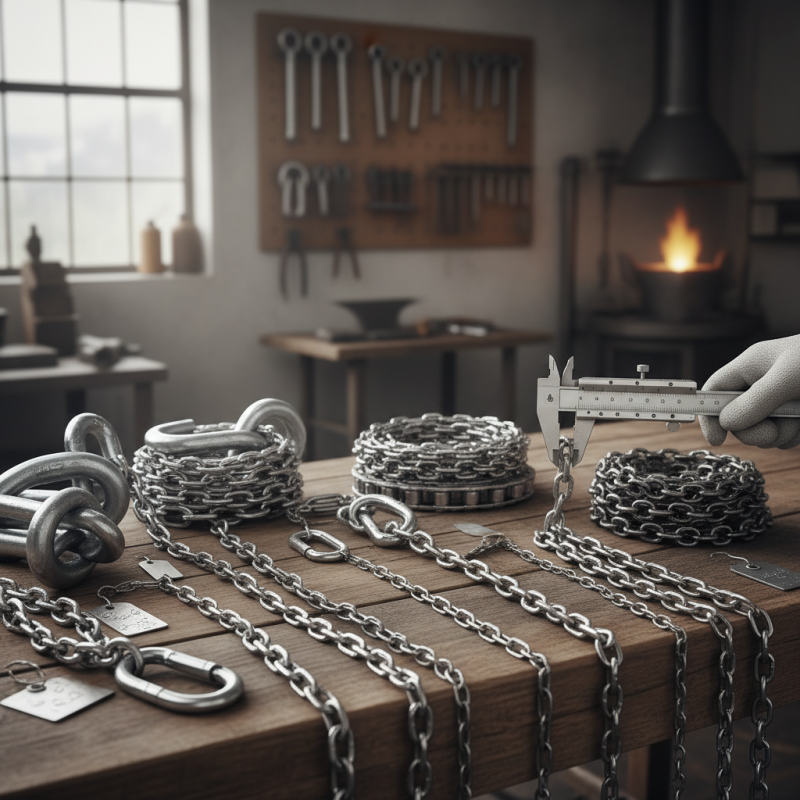
When selecting the best Stainless steel chains, you need to consider various factors. These chains are popular in many industries. They are durable, rust-resistant, and versatile. However, not all stainless steel chains are created equal. Each type serves different purposes.
Quality matters significantly in this decision. You want chains that can withstand heavy loads without breaking. Look at their tensile strength and corrosion resistance. These aspects are crucial for longevity and reliability.
Think about your specific needs and environment. Will you use the chains indoors or outdoors? Knowing this is essential. Availability of various sizes and styles may also affect your choice. Eventually, making the right selection can lead to better performance and satisfaction. It's not just about the price; it’s about finding the right fit for your requirements.
Understanding Different Types of Stainless Steel Chains Available
When selecting stainless steel chains, understanding the various types available is crucial. The most common types are grade 304 and grade 316. Grade 304 is versatile, offering excellent corrosion resistance for general applications. It's ideal for indoor use or in mild outdoor environments. However, it may not withstand salty air or harsh chemical exposure as well as other grades.
Grade 316, on the other hand, is specifically designed for challenging environments. It includes molybdenum, which enhances its resistance to saltwater corrosion. This makes it a top choice for marine environments or industrial applications. Some may find the higher cost of grade 316 off-putting. Yet, its durability often justifies the investment.
Each type of stainless steel chain has specific features. For instance, alloy compositions determine their strength and resistance to wear. Smaller chains might suit decorative purposes but lack the strength for heavy loads. It's essential to assess your needs carefully. Ignoring these details could result in a mismatch between the chain's capabilities and its intended use.
Evaluating the Strength and Durability of Stainless Steel Chains
Choosing the right stainless steel chains involves understanding their strength and durability. Stainless steel is known for its corrosion resistance and robust nature. It often contains nickel and chromium, enhancing its durability. According to industry data, stainless steel chains offer a tensile strength range of 70,000 to 140,000 psi. This makes them suitable for various applications, from marine use to industrial settings.
When evaluating strength, consider the chain's grade. For example, 304 stainless steel is widely used but offers less corrosion resistance than 316 grade. The latter has added molybdenum, improving performance in harsh environments. Testing standards, such as ASTM A313, provide reliable data on strength and performance. However, it’s essential to assess whether higher strength also leads to greater weight. A heavier chain may be less desirable in certain applications.
Tips: Always match chain specifications to your needs. Don't overlook the importance of proper maintenance. Regular inspections can help detect early signs of wear. Also, consider the environment where the chain will be used. Different factors, like temperature and exposure to chemicals, can impact longevity. Reflect on these elements to ensure you're making the best choice for your application.
Assessing Corrosion Resistance in Stainless Steel Chains
When selecting stainless steel chains, one crucial factor to consider is corrosion resistance. This characteristic determines the chain’s durability and longevity, especially in harsh environments. Different grades of stainless steel exhibit varying resistance to corrosive elements. For instance, 316 stainless steel is known for superior corrosion resistance compared to other grades. If your application involves exposure to saltwater or chemicals, opt for higher grades.
Tips: Evaluate the environment where the chain will be used. Assess humidity, temperature, and potential exposure to acids. A thorough assessment will guide you in choosing the right chain that withstands these conditions.
Moreover, routine inspections are essential. Even high-quality stainless steel chains can develop rust or corrosion over time. Regular checks help identify any signs of wear or damage early. Don’t overlook this maintenance step; it can save you from costly replacements. Remember, investing in a high-quality chain often pays off in the long run, but it’s also crucial to ensure proper care.
Identifying the Right Chain Size and Thickness for Your Application
Choosing the right stainless steel chain involves understanding the size and thickness vital for your specific application. Stainless steel chains vary significantly in strength and durability, depending on their design and dimensions. The size dictates how much weight a chain can support. According to industry standards, the diameter of the chain links greatly influences its tensile strength. For instance, a chain with a 3/8 inch diameter can typically bear approximately 5,000 pounds, while a 1/2 inch chain can handle upwards of 10,000 pounds.
When considering thickness, the type of stainless steel alloy plays a significant role. Different alloys, such as 304 or 316, exhibit varying resistance to corrosion and wear. For marine applications, a thicker 316 alloy chain is often preferred due to its superior resistance to saltwater deterioration. Estimates suggest corrosion resistance improves by over 50% when using the right thickness for specific environments. However, thicker chains can also be heavier and more cumbersome, leading to potential challenges in handling. Evaluating the specific demands of your application will help you balance strength and usability.
Considering Cost and Manufacturer Reputation When Choosing Chains
When choosing stainless steel chains, cost and manufacturer reputation are vital considerations. Many manufacturers claim quality, yet not all deliver. Research is key. Look for companies with a solid track record and positive reviews. A reputable manufacturer often indicates reliable products.
Tips: Check online reviews and ratings. Ask for referrals from trusted sources. Compare pricing among different brands to ensure you're not overpaying. Sometimes, lower prices signal inferior quality.
Evaluate the materials used in the chains. Not all stainless steel is equal. Some chains may corrode faster than others. Opt for high-quality stainless steel with a reputable certification. This choice can impact lifespan significantly. Taking time to assess these factors can save you from purchasing regrets later on.
How to Choose the Best Stainless Steel Chains for Your Needs?
| Chain Type | Cost (per meter) | Load Capacity (kg) | Durability (years) | Manufacturer Reputation |
| Standard Link Chain | $15 | 1000 | 10 | Good |
| Welded Chain | $20 | 1500 | 15 | Excellent |
| Roller Chain | $25 | 2000 | 20 | Very Good |
| Transport Chain | $30 | 2500 | 25 | Outstanding |
| Marine Chain | $35 | 3000 | 30 | Premium |