How to Choose the Best UAV Accessories for Your Needs?
In today's rapidly evolving UAV (Unmanned Aerial Vehicle) market, selecting the right UAV accessories is crucial. According to a recent market study, the UAV accessories segment is projected to grow by 15% annually. This indicates a rising interest in enhancing drone capabilities and functionalities.
While many users focus on the UAV's core features, accessories can significantly impact performance. From advanced cameras to improved battery packs, each accessory serves a specific purpose. Understanding these nuances is vital for both hobbyists and professionals.
Despite the plethora of options available, not all accessories offer the same reliability. Some may fall short of expectations. A thorough assessment of accessories helps ensure they meet precise needs. Investing time in research can prevent costly mistakes. Choosing the right UAV accessories can elevate aerial experiences and projects.
Understanding Your UAV Requirements and Objectives
Choosing the right UAV accessories starts with understanding your specific needs. Every operator has unique goals, whether for photography, surveying, or search and rescue missions. Recognizing these objectives is crucial in selecting compatible accessories. Analyze the type of aerial work you will perform. Will you need high-resolution cameras or thermal sensors? Your answers will guide your decision-making.
In addition to your objectives, consider the environmental conditions. Will you operate in high winds or low-light areas? This may affect the choice of propellers or batteries. Factor in the locations where you will fly. Accessories designed for rugged terrains differ from those meant for urban settings.
Lastly, while online reviews are helpful, they may not always provide a complete picture. Some customers emphasize features that may not align with your priorities. Seek advice from local UAV communities instead. Knowledge sharing often uncovers insights that online resources overlook. Reflect on your choices regularly. Adjust your equipment as your needs evolve. This approach enhances your operational effectiveness and ensures your UAV stays relevant in an ever-changing landscape.
Identifying Essential UAV Accessories for Different Applications
When selecting UAV accessories, understanding your specific needs is crucial. Applications like aerial photography, agriculture, and surveying demand different tools. For instance, a report by MarketsandMarkets indicates that drones for agricultural use are projected to grow at a CAGR of 30% from 2020 to 2025. This rapid growth emphasizes the importance of appropriate accessories that enhance drone functionality in various fields.
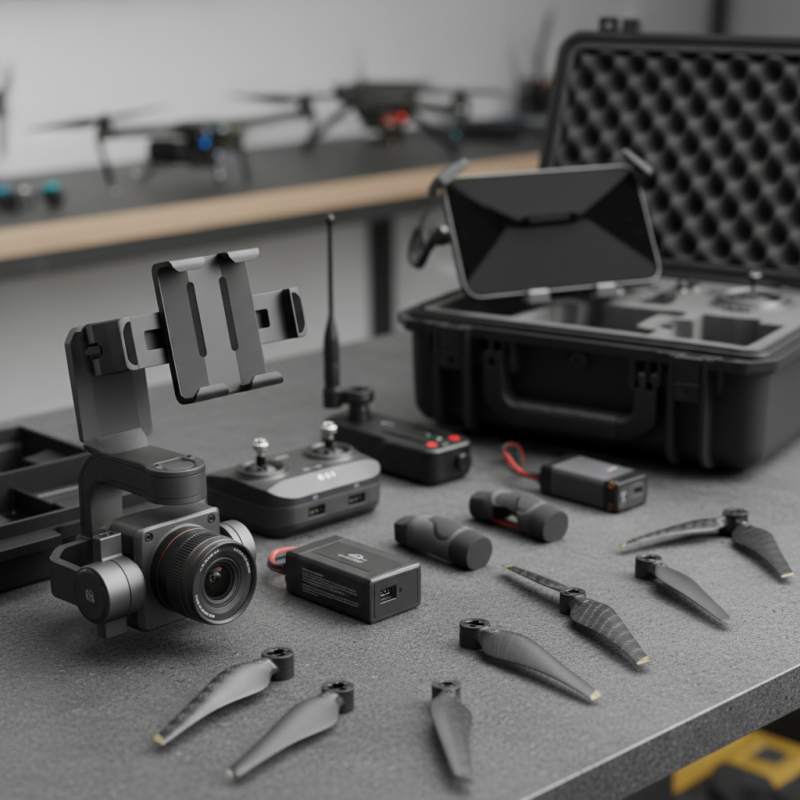
For photography, consider stabilization gimbals. These keep your camera steady, ensuring high-quality images. Battery life is another critical aspect. Extended battery life enables longer flight times, which is essential for extensive surveying projects. Always evaluate how these tools align with your unique requirements.
Tip: Before purchasing, research and read user reviews to avoid costly mistakes. Make sure the accessories you choose are compatible with your UAV model. Don’t overlook the potential need for additional software. Proper software can improve data extraction and analysis, especially in professional applications like mapping and monitoring. Striking the right balance between essential features and budget can be challenging, but it’s vital for optimal performance.
Evaluating Accessory Compatibility with UAV Models
When selecting UAV accessories, compatibility with specific drone models is crucial. According to recent industry reports, around 30% of UAV users face issues due to mismatched components. This can lead to performance loss or even damage to the drone. Understanding the specifications of both the UAV and its accessories can save time and money.
Many UAVs have unique battery requirements, camera mounts, and dual-control systems. It's essential to reference compatibility charts provided by accessory manufacturers. Many experts recommend checking user reviews and forums for real-world experiences. User feedback can often highlight issues that specs alone may not reveal.
**Tip:** Always verify the voltage and capacity ratings of batteries to ensure safe operation. Mismatched batteries can be a major cause of malfunctions.
Keep in mind that not all accessories are made equal. Sometimes, an inexpensive accessory may not perform as expected. Conduct thorough research to avoid this pitfall. Using reputable sources for performance reviews can guide you in the right direction.
**Tip:** Visit online communities to seek advice. Engaging with fellow UAV users can offer insights into accessory performance and compatibility.
Assessing Quality and Reliability of UAV Accessories
When selecting UAV accessories, evaluating their quality and reliability is critical. According to a 2023 industry report, over 35% of users experienced equipment failures due to subpar accessories. Users should prioritize accessories that undergo stringent testing and certification. Quality assurance boosts performance and ensures safety during UAV operations.
Tips: Always consider materials used in construction. High-grade materials often correlate with durability. A thorough inspection can help avoid pitfalls. Check for user reviews and detailed product specifications. They offer insights into real-world performance.
Assessing reliability involves examining warranties and support services. Reports show that accessories with a minimum one-year warranty had a lower failure rate. Understanding the return policies of accessories can also avoid costly mistakes. Regular maintenance is essential for extending the life of your UAV accessories.
Budget Considerations and Value for Money in UAV Accessories
When selecting UAV accessories, budget considerations play a crucial role. A well-planned budget helps avoid overspending on unnecessary equipment. Look for accessories that provide essential features without breaking the bank. Research is vital. Compare prices and functionalities to ensure you get the best value for your investment.
Value for money is about balancing quality and cost. Sometimes, cheaper options may lack critical features, which can lead to disappointment later. Look for reviews and user feedback to understand real-world performance. Consider how each accessory enhances your UAV experience, impacting your project outcomes.
Not every accessory is essential for every user. Analyze your specific needs based on your UAV usage. Are you a hobbyist or a professional? Trim down choices based on your requirements. There’s no one-size-fits-all solution, so take time to reflect on what works best for your unique situation. Investing wisely now can save you from regret later.
How to Choose the Best UAV Accessories for Your Needs? - Budget Considerations and Value for Money in UAV Accessories
| Accessory Type | Price Range (USD) | Key Features | Value for Money Rating |
| Camera Gimbal | $100 - $500 | Stabilization, Compatibility, Weight | 4.5/5 |
| Extra Batteries | $30 - $150 | Capacity, Charge Time, Lifespan | 4.7/5 |
| Propellers | $10 - $100 | Material, Size, Durability | 4.2/5 |
| Carrying Case | $50 - $200 | Portability, Protection Level, Space | 4.0/5 |
| Range Extender | $50 - $300 | Signal Strength, Compatibility, Setup Ease | 4.4/5 |