Top Tips for Choosing the Best Laboratory Analytical Instrument?
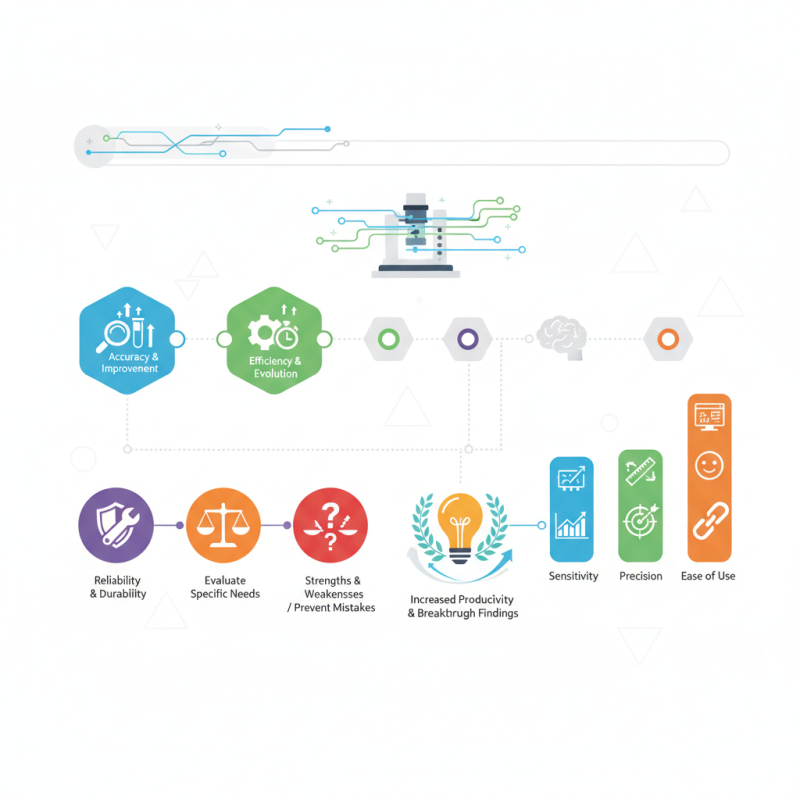
Selecting the right Laboratory Analytical Instrument is crucial for successful experiments. The right tool can enhance accuracy, improve results, and increase efficiency. As the laboratory environment evolves, so do the technologies available. Familiarity with different instruments can lead to informed choices.
Quality matters in laboratory settings. Instruments should be reliable and durable to withstand daily use. However, not all options are equal. It's essential to evaluate the specific needs of your processes. Each instrument has its strengths and weaknesses. Therefore, understanding these can prevent costly mistakes.
Analyzing the purpose and expected outcomes of your research is vital. Consider factors like sensitivity, precision, and ease of use. These influence the effectiveness of the chosen laboratory analytical instrument. The right choice can enhance productivity and lead to breakthrough findings. However, it requires careful thought and reflection on each decision made.
Understanding the Types of Laboratory Analytical Instruments Available
Choosing the right laboratory analytical instrument can be daunting. Various types of analytical tools serve different functions. Understanding these instruments is vital for accurate results.
Spectrophotometers measure how much light a sample absorbs. This tool is essential in chemistry and biology. Chromatographs separate mixtures into individual components. They are crucial in food and environmental testing. Mass spectrometers identify molecular weights. They offer detailed insights into chemical structures.
Another popular type is pH meters. These devices measure acidity or alkalinity in solutions. Precision is critical here. One small error can lead to misinterpretation. Furthermore, consider your specific needs. Instruments can vary widely in sensitivity and application. It’s essential to reflect on your lab's requirements. Ultimately, the choice of instrumentation should align with your research goals.
Top Tips for Choosing the Best Laboratory Analytical Instrument
| Instrument Type | Common Applications | Key Features | Considerations |
| Spectrophotometer | Quantitative analysis, concentration measurement | Wide wavelength range, high sensitivity | Calibration, maintenance frequency |
| Chromatograph | Separation of mixtures, purity analysis | Variety of detectors, automated sample handling | Complexity of setup, cost of consumables |
| Mass Spectrometer | Molecular weight determination, structural analysis | High resolution, versatile ionization methods | Sample preparation complexity, operational cost |
| pH Meter | Acidity and alkalinity measurements | Quick readings, portable options available | Calibration requirements, electrode lifespan |
| Thermogravimetric Analyzer | Material thermal stability, composition analysis | Wide temperature range, high accuracy | Sample size limitations, analysis time |
Key Factors to Consider When Selecting Analytical Equipment
When selecting laboratory analytical instruments, several key factors come into play. First, consider the type of analysis you intend to conduct. Different instruments cater to specific applications. Understanding these needs is crucial. Think about the precision and accuracy required for your tests. High-quality results rely on reliable equipment.
Tips: Focus on the instrument's specifications before making a decision. Compatibility with existing lab equipment can prevent future headaches. Don't overlook maintenance requirements. Instruments need regular calibration and servicing to maintain their accuracy. Neglecting this can lead to data discrepancies, which should be avoided.
Training and user-friendliness are also significant. Operators must be comfortable using equipment. If the instrument is overly complex, errors may arise. A simple interface can enhance productivity. Additionally, consider vendor support. Having responsive customer service can save time and resources in troubleshooting and repairs. Remember that all instruments come with limitations. A reflective approach to your selection can lead to better outcomes.
Evaluating the Accuracy and Precision of Instruments in Lab Settings
When selecting laboratory analytical instruments, evaluating accuracy and precision is crucial. Accuracy refers to how close a measured value is to the true value. High accuracy is essential in experiments that rely on precise data. Precision measures the consistency of results when repeating the same test. Instruments may be accurate yet not precise, leading to inconsistent data.
Consider the importance of calibration. Regular calibration ensures instruments maintain their accuracy over time. Without calibration, results can drift, leading to misleading conclusions. It's essential to monitor and document calibration results. This helps identify patterns that indicate performance issues. A sudden change in results may suggest a need for maintenance.
User training also plays a vital role. An operator's understanding of the instrument affects accuracy and precision. Proper handling, along with knowledge of best practices, can minimize human error. Choose instruments that provide clear guidelines and training materials. Remember, even high-end instruments require diligence in usage and maintenance to achieve reliable results.
Analyzing the Cost vs. Benefit of Laboratory Analytical Instruments
When choosing laboratory analytical instruments, weighing cost against benefit is crucial. Recent studies indicate that nearly 30% of laboratories struggle with budget constraints. Investing in quality equipment can lead to long-term savings. For instance, high-performance liquid chromatography (HPLC) systems can improve efficiency by up to 50%. However, initial costs may deter some facilities.
The challenge lies in understanding return on investment (ROI). A detailed analysis showed that the right instrument can reduce operational costs by 15%. It’s important to consider maintenance and operational expenses. For example, some instruments require frequent calibration, adding to long-term costs.
Many facilities overlook the importance of training personnel. Inadequate training can lead to operational inefficiencies, rendering expensive instruments underutilized. Data shows that properly trained staff can enhance data accuracy by 40%. Thus, in the cost vs. benefit equation, investing in training may provide substantial returns. Balancing these elements is essential for optimizing laboratory performance.
Importance of Compliance with Regulatory Standards in Instrument Selection
Choosing the right laboratory analytical instrument is critical. Compliance with regulatory standards like ISO/IEC 17025 affects instrument selection and lab operations. Studies show that 60% of laboratories fail to fully understand these requirements. Ignoring compliance can lead to erroneous results, impacting research and clinical outcomes.
Consider e-learning programs on compliance to bridge knowledge gaps. Staying updated on regulations increases confidence in instrument performance. Empower your team to understand standards by providing training. Regular audits can help confirm that instruments remain compliant.
It's vital to assess the instrument’s specifications against regulatory demands. Look for validation reports to ensure accuracy and reliability. Instruments should have documented performance metrics from recognized authorities. This can minimize potential risks and improve overall lab efficiency.