How to Choose the Best Paper Cutting Machine for Your Needs?
Choosing the right paper cutting machine can transform your crafting or business projects. With various types of machines available, selecting the ideal one is crucial. A paper cutting machine is not just a tool; it plays a significant role in the precision of your cuts.
Different machines offer various features that cater to specific needs. For instance, some are designed for high-volume cutting, while others excel in accuracy for detailed work. Understanding your requirements is vital. You should consider factors such as size, thickness capacity, and user-friendliness. While many machines boast advanced technology, ensure they meet practical needs.
Test out machines before making a decision. This helps highlight their strengths and weaknesses. Consider also the support and resources from manufacturers. Reliable service adds value and peace of mind. In the end, the right paper cutting machine will enhance your efficiency and creativity.
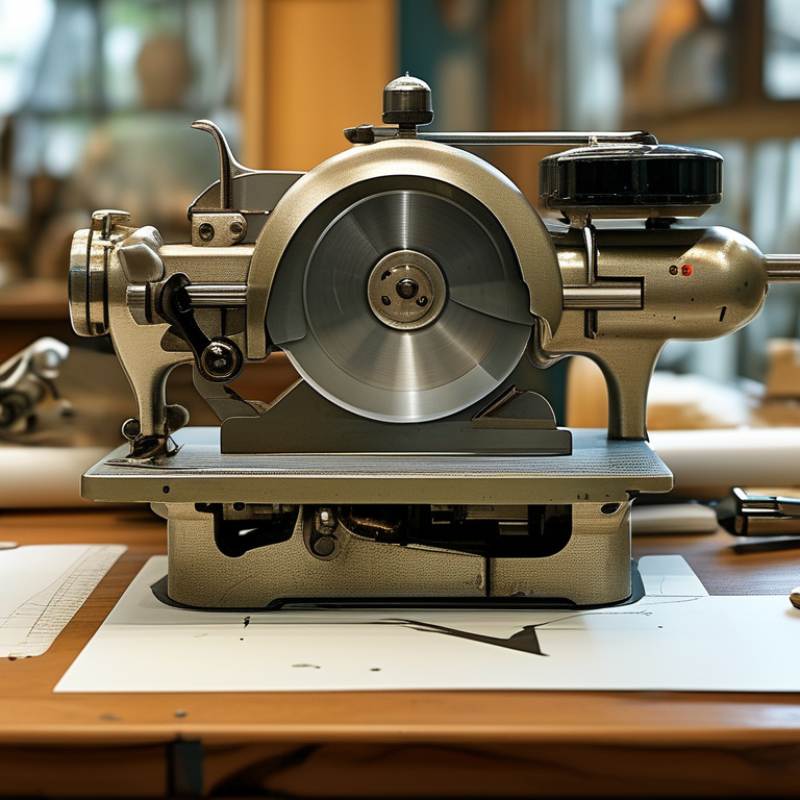
Understanding Different Types of Paper Cutting Machines Available
When choosing a paper cutting machine, it's essential to understand the different types available. Manual cutters are cost-effective but may lack precision for intricate designs. Automatic machines offer consistent cuts but come at a higher price point. Research shows that electric guillotine cutters, often used in professional settings, can improve efficiency by up to 50% compared to manual options. Selecting a machine depends significantly on your specific needs and frequency of use.
Consider your project scale. If you need to cut multiple sheets at once, a stack cutter may suit you better. However, if you only need to cut one or two sheets sporadically, a simple rotary cutter could suffice. It’s important to weigh your workflow against the capabilities of each machine type.
Tips: Always review user feedback for insights on durability and functionality. Maintenance is crucial. A well-maintained machine can last several years. If possible, test the machine before purchase to ensure it meets your standards. Keep in mind that the most expensive option isn't always the best; sometimes, it’s about fit for your project needs.
Assessing Your Paper Cutting Needs: Volume, Size, and Precision
When selecting a paper cutting machine, assessing your specific needs is crucial. Consider the volume of paper you will cut. According to industry reports, businesses requiring over 500 cuts per day benefit from a commercial-grade machine. These machines offer faster cutting speeds and greater durability, essential for high-demand environments.
Size is another vital factor. If you're working with larger paper formats, a machine capable of handling these sizes is necessary. Many models accommodate up to 36 inches, while smaller desks often require a compact design. Understand the dimensions of your workspace to ensure a proper fit.
Precision plays a key role in your decision. High-end machines provide cuts as precise as 0.1mm, which is vital for professional presentations or intricate projects. Lower-cost models may not achieve this, impacting the final output quality.
Tip: Make sure to analyze past projects. Look for patterns in your cutting needs that can inform your choice.
Tip: Start with samples. Test different machine capabilities to find what meets your standards.
Ultimately, eyeing the balance between these factors can lead to a more informed purchase. Reflecting on your long-term goals will also help ensure you avoid choosing a machine that won't meet your evolving needs.
Paper Cutting Machine Selection Criteria
This chart illustrates key criteria for selecting a paper cutting machine based on the volume of cutting needed and the precision required. The first dataset represents cutting precision in millimeters for different volume categories, while the second dataset displays the maximum paper size in inches that each volume category can handle.
Key Features to Look for in a Paper Cutting Machine
When selecting a paper cutting machine, it's crucial to consider the essential features that align with your specific needs. The cutting capacity is one of the most significant aspects. Machines vary widely, with capacities ranging from a mere several sheets to over 500 sheets at once. According to industry studies, a machine with a cutting capacity of at least 20 sheets is suitable for moderate use in offices or schools.
Another key feature is safety. Look for machines equipped with safety guards and automatic shut-off functions. Research from the National Safety Council indicates that improper handling of cutting machines accounts for over 25% of workplace injuries. Investing in a model with user-friendly safety features can prevent potential accidents.
Tip: Always assess your volume of work before purchasing. If your projects are larger, consider investing in a commercial-grade machine. For smaller tasks, an entry-level model may suffice.
Durability is equally important. Heavy-duty models may have a higher upfront cost, but they often offer a better long-term investment. Many users report less frequent breakdowns and lower maintenance costs with robust machines.
Tip: Review user feedback for insights on reliability. This can help you learn from others' experiences, avoiding decisions that may lead to regret. In reflecting on these factors, you can make an informed choice that best fits your operational needs.
How to Choose the Best Paper Cutting Machine for Your Needs? - Key Features to Look for in a Paper Cutting Machine
| Feature | Description | Importance |
| Cutting Capacity | Maximum number of sheets that can be cut at once | High |
| Blade Type | Type of blade (straight, rotary, etc.) used for cutting | Medium |
| Safety Features | Safety guards, automatic shut-off, and emergency stop button | High |
| Size and Portability | Overall dimensions and weight for ease of transport | Medium |
| Cutting Precision | Accuracy of cuts, often measured in millimeters | High |
| Power Source | Manual vs. electric operation of the machine | Medium |
| Price Range | Cost of the machine based on features and quality | High |
Evaluating Budget and Cost-Effectiveness of Cutting Machines
When selecting a paper cutting machine, cost-effectiveness plays a crucial role. Many buyers focus solely on the initial price. However, it's essential to consider long-term expenses, such as maintenance and replacement parts. A cheaper machine may require more frequent repairs, while a higher-priced option might offer better durability and fewer issues.
Evaluating your budget means analyzing your specific needs. What volume of paper will you cut? Will you use it daily or occasionally? Machines vary widely in their capabilities. Some are robust enough for heavy use, while others excel in precision for fine craft projects. Understanding these needs can help guide your purchasing decisions, ensuring you get the best value for your investment.
You might also want to think about additional features. Some machines offer advanced functionalities that could save time. However, if these features go unused, they could contribute to unnecessary costs. Reflect on your priorities. Cost-effectiveness isn’t just about the sticker price. It includes assessing both upfront and ongoing expenses to find the right machine for your situation.
Maintenance and Support: Ensuring Longevity of Your Machine
Proper maintenance and support are crucial for the longevity of your paper cutting machine. According to industry reports, neglecting regular upkeep can lead to a 30% decrease in operational efficiency. Regularly cleaning the blades and other components prevents build-up and wear. Operators should ensure blades are sharp and properly aligned. This basic maintenance practice prolongs the life of the machine and enhances safety during use.
In addition to routine maintenance, understanding the support options available is vital. Many manufacturers provide instructional materials or customer service consultations. Up to 40% of users report improved performance after utilizing these resources. Training staff on proper usage and maintenance can also mitigate risk. This knowledge ensures that users are aware of common issues, such as inconsistent cuts. Addressing these matters proactively helps maintain quality and efficiency in the long term.