Industries
Get direct access to our extensive portfolio of optical products and specialist technical expertise.

A Fuse Clamp is a small but important component in electrical protection systems. It secures a fuse, maintains electrical contact, and helps prevent movement caused by vibration, heat, or repeated maintenance. Inside a control panel, its role is easy to overlook. Its failure is not.
NFPA reports that U.S. fire departments responded to an estimated 32,650 home fires involving electrical distribution and lighting equipment annually from 2015 to 2019. These fires caused approximately 500 civilian deaths, 1,270 injuries, and $1.3 billion in property damage. A properly selected Fuse Clamp cannot prevent every fault. It can, however, support stable connections and reliable overcurrent protection. IEC 60269 also emphasizes correct fuse selection, rated current, voltage, and interrupting capacity. Small details matter.
Electrical safety educator Mike Holt expresses the practical principle clearly: “Protect the conductor, not merely the appliance.” That idea explains why clamp pressure, terminal fit, material quality, and heat resistance deserve careful attention. A loose clamp may create resistance. Resistance produces heat. Heat can damage insulation before the fuse operates. The chain is simple, but real installations are rarely perfect. Dust, corrosion, poor torque, and rushed replacement work can quietly weaken performance. This guide examines what a Fuse Clamp is, how it works, and where installation decisions may still require professional judgment. Sometimes, the smallest component deserves the closest inspection.
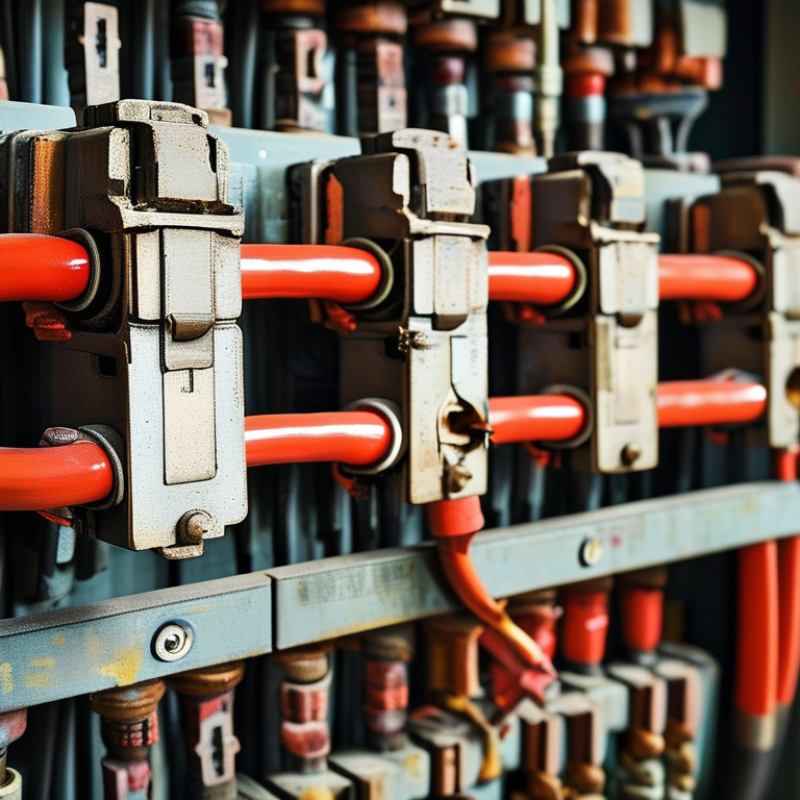
A fuse clamp is a mechanical and conductive component that holds a fuse securely inside an electrical circuit. Its purpose is simple: maintain steady contact while the fuse carries normal current. If excessive current occurs, the fuse element melts and interrupts the circuit. The clamp then helps isolate the failed fuse and supports safe replacement.
A reliable clamp needs firm pressure, suitable conductivity, and resistance to heat, vibration, and corrosion. Loose contact can create hot spots. That risk matters because the NFPA reported approximately 1.5 million fires in the United States during 2022, with electrical equipment remaining an important ignition source. A clamp cannot prevent every electrical failure. It can reduce connection-related stress when correctly selected and installed.
In practical maintenance, technicians inspect discoloration, spring tension, oxidation, and damaged insulation. The fuse rating must match the circuit design, not merely the available space. Standards such as IEC 60269 and UL 4248 provide important guidance for fuse systems and holders. However, standards do not replace site judgment. A clamp may look acceptable while losing pressure internally. That is an easy detail to miss. Regular inspection, torque control, and thermal checks improve reliability, although field conditions can still expose weaknesses that laboratory testing does not reveal.
A fuse clamp is the mechanical and electrical interface between a fuse and its circuit. Its main components include conductive terminals, spring clips, an insulating body, and mounting features. The terminals carry current into the fuse. Spring clips maintain contact pressure during vibration and temperature changes. The insulating body prevents accidental contact with nearby conductive parts.
Structural design controls both safety and reliability. Engineers select copper alloys or similar conductive materials for low resistance and stable spring performance. The clamp must hold the fuse firmly, but not damage its metal end caps. Its housing also needs sufficient creepage and clearance distances. IEC 60269 principles emphasize temperature rise, contact security, and safe fuse replacement. Small details matter here. A loose clip can create a hot spot.
NFPA research has reported more than 30,000 home fires annually involving electrical distribution and lighting equipment in recent study periods. This data explains why clamp design deserves careful testing, even in compact assemblies. Heat moves from the fuse through the clips and terminals, then into the mounting structure. Poor ventilation can accelerate oxidation and weaken contact pressure. Designers should test at rated current, overload conditions, vibration, and repeated heating cycles. A clamp that looks strong may still lose spring force over time. That assumption needs challenge. Inspection should include discoloration, terminal looseness, and increased contact resistance. These signs often appear before complete fuse failure.
A fuse clamp is a mechanical holder that secures a fuse inside an electrical circuit. It uses conductive metal contacts to create a stable path for current. The clamp also keeps the fuse correctly positioned during vibration, maintenance, and normal operation. It does not limit current by itself. The fuse performs that task.
When current flows, electricity enters one clamp contact, passes through the fuse element, and leaves through the opposite contact. If the current stays within the rated range, the element remains intact. During an overload or short circuit, heat increases rapidly. The fuse element melts and opens the circuit. This interrupts current before wiring becomes dangerously hot. The clamp then holds the opened fuse safely in place.
Good contact pressure matters. Loose clamps can create resistance, heat, and unreliable protection. During inspections, technicians often look for darkened metal, softened plastic, corrosion, or a fuse that feels loose. A replacement fuse must match the circuit’s current, voltage, and physical requirements. Never bridge the clamp with wire or metal. That removes the intended protection. A common mistake is focusing only on the fuse rating. The clamp’s temperature rating and connection quality matter too. I would also recheck the circuit after replacement, because a blown fuse may signal a deeper fault rather than a defective component.
A fuse clamp is a small electrical component that grips a fuse and connects it to a circuit. It must hold the fuse firmly while maintaining low electrical resistance. Loose contact can create heat, arcing, or unexpected power loss. The clamp does not replace the fuse. It only provides a secure connection.
Common types include spring clips, screw-mounted clamps, inline holders, and panel-mounted holders. Spring clips suit compact control boards and low-vibration equipment. Screw-mounted clamps offer stronger mechanical support in industrial panels. Inline holders work well in wiring harnesses, battery leads, and small appliances. Panel-mounted types allow quick access when technicians need to inspect or replace a fuse.
Blade-fuse clamps fit automotive and mobile electrical systems. Cartridge-fuse clamps are often used in power supplies, machines, and distribution panels. Selecting a type requires checking fuse size, current rating, voltage rating, temperature range, and conductor size. The clamp material also matters. Plated metal contacts usually resist corrosion better than untreated surfaces.
One detail is easy to underestimate: vibration. A clamp that works on a quiet bench may loosen inside a moving machine. I would also avoid choosing by appearance alone. Check the datasheet and installation space. During maintenance, inspect discoloration, melting, weak spring tension, and damaged insulation. Replace the clamp if heat marks appear. Never bypass a damaged fuse with wire or metal. That shortcut can turn a minor fault into a serious electrical hazard.
A fuse clamp is a spring-loaded contact that holds a fuse firmly against a conductive terminal. When current exceeds the fuse rating, the fuse element melts and opens the circuit. The clamp then prevents loose contact, heat buildup, and unwanted arcing. Installation should begin with the power isolated and verified with a suitable tester. Never rely on a switch position alone. Match the clamp to the fuse size, current rating, conductor type, and enclosure temperature. A poor fit can look acceptable but still fail under load.
During inspection, look for discoloration, cracked insulation, weak spring tension, corrosion, and signs of overheating. A darkened terminal deserves attention. Do not simply replace the fuse. Check the clamp, wire termination, and upstream load. NFPA’s Home Structure Fires report for 2016–2020 found electrical distribution and lighting equipment involved in 12% of home structure fires, 18% of deaths, and 17% of direct property damage. These figures make small connection defects worth treating seriously.
BLS recorded 126 fatal occupational injuries involving electricity in 2021. That number supports disciplined isolation and verification practices. Use insulated tools and keep conductive objects away from exposed terminals. Torque connections to the equipment maker’s specification, when available. A clamp may still function after repeated heating, but its spring force can weaken quietly. Visual inspection alone may miss that problem. I have found that careful records often reveal the real warning: repeated fuse operation, rising terminal temperature, or a connection that needs frequent retightening.
| Data Dimension | Key Information | Practical Guidance | Safety Status |
|---|---|---|---|
| Definition | A fuse clamp is an insulated gripping tool designed to hold, remove, or position a fuse, especially where the fuse is recessed or difficult to reach by hand. | Use the clamp only for the fuse size and construction for which it is intended. | Recommended |
| Primary Function | The clamp provides mechanical control and separation between the user's hand and the fuse. It does not normally conduct current, interrupt a fault, or replace the fuse holder. | Do not treat a fuse clamp as an electrical protective device or as a substitute for circuit isolation. | Required |
| Typical Fuse Applications | Fuse clamps may be used with compatible cartridge, blade, or miniature fuse forms, depending on the jaw shape, dimensions, and tool rating. | Check the tool instructions and compare the jaw size with the fuse body before use. | Conditional |
| Electrical Isolation | Removing a fuse may not make every part of the circuit safe. Line-side terminals, adjacent circuits, stored energy, and backfeed conditions can remain energized. | Switch off the supply, isolate the circuit, apply lockout/tagout where applicable, and verify the absence of voltage with a suitable tester. | Required |
| Correct Fuse Identification | Fuse selection depends on the original fuse's current rating, voltage rating, time-current characteristic, interrupting rating, physical size, and application requirements. | Install only a replacement that matches the equipment documentation or the original specification. Never increase the current rating to prevent nuisance operation. | Required |
| Installation Method | Align the fuse with the clips or holder, apply even pressure, and ensure that the fuse is fully seated without twisting or forcing it. | Keep fingers away from exposed metal ends and avoid using pliers, screwdrivers, or improvised tools when a suitable fuse clamp is specified. | Recommended |
| Clamp Inspection | Inspect the jaws, insulation, hinge or spring action, handles, and identification markings before use. | Remove the tool from service if the insulation is cracked, cut, burned, contaminated, loose, or missing. | Required |
| Fuse Inspection | Look for a broken element, discoloration, melted areas, damaged end caps, cracks, corrosion, or signs of overheating. | Do not rely solely on visual inspection. Use an appropriate continuity or resistance test only after the fuse is isolated from the circuit. | Recommended |
| Continuity Testing | A continuity test can indicate whether the fuse element is open, but it does not prove that the fuse is suitable for the circuit or safe under operating conditions. | Disconnect power and follow the meter manufacturer's instructions before testing. A blown fuse should be investigated rather than repeatedly replaced. | Conditional |
| Voltage and Current Limits | The tool's insulation and construction have limits. The fuse itself also has separate voltage, current, and interrupting ratings. | Never use a clamp or fuse beyond its marked or documented rating. A higher-rated fuse may fail to provide required protection. | Required |
| Arc and Short-Circuit Risk | A short circuit or incorrect removal technique can create an arc flash, molten metal, burns, fire, or equipment damage. | Use the appropriate arc-rated personal protective equipment and safe work procedure when energized work cannot be avoided. Prefer de-energized work. | Required |
| Environmental Conditions | Moisture, oil, dust, chemicals, extreme temperatures, and conductive contamination can reduce insulation performance and gripping reliability. | Keep the clamp clean and dry, and confirm that its materials are suitable for the working environment. | Recommended |
| Storage and Maintenance | Repeated mechanical stress, improper storage, and exposure to heat or ultraviolet light can damage the tool over time. | Store the clamp away from sharp objects, excessive heat, sunlight, and chemicals. Do not modify or repair damaged insulation with tape. | Recommended |
| Post-Installation Check | After installation, confirm that the fuse is seated correctly, the holder is secure, and there are no loose parts, exposed conductors, or signs of overheating. | Restore power only after all personnel are clear and the equipment has been reassembled according to its instructions. | Required |
| Professional Assistance | Unidentified fuse ratings, repeated fuse failures, damaged holders, unusual heat, burning odors, or suspected backfeed require further diagnosis. | Stop work and consult a qualified electrical professional when the circuit condition or equipment rating is uncertain. | Required |
Important: A fuse clamp improves handling and reach, but it does not make energized fuse removal inherently safe. Always follow the equipment instructions, applicable electrical safety rules, and the requirements of the work environment.