2026 How to Choose the Best Smart Plug Outlet for Your Home?
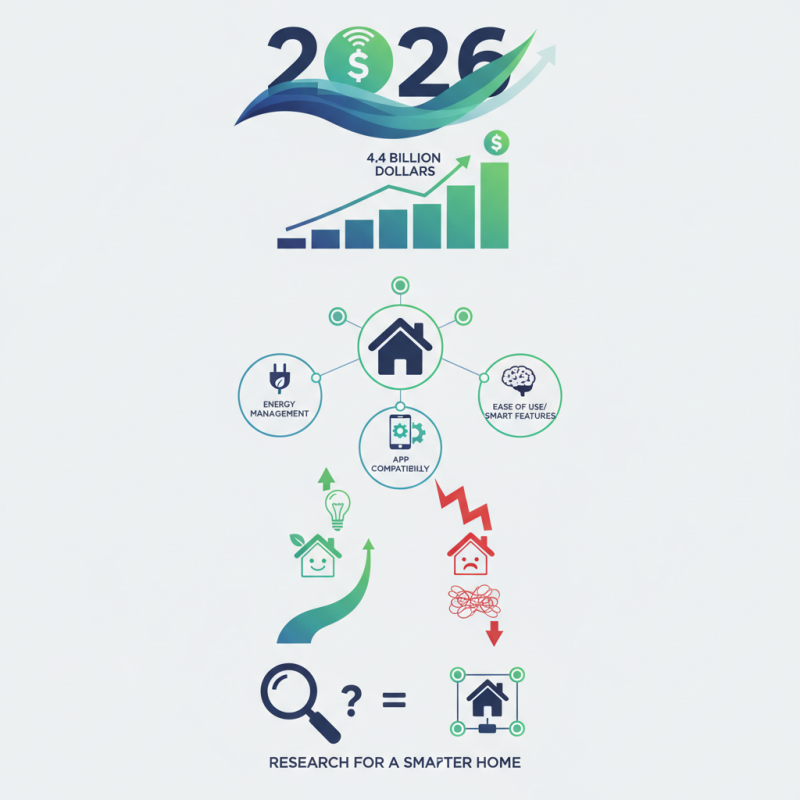
The rapid growth of smart home technology has made choosing the right Smart Plug Outlet essential for modern households. According to a recent report by MarketsandMarkets, the smart plug market is projected to reach $4.4 billion by 2026. This highlights the increasing importance and reliance on smart devices. As homes become more automated, understanding the capabilities of a Smart Plug Outlet is paramount.
Expert David Anderson, a leading figure in home automation research, states, "The right smart plug can revolutionize energy management in your home." This statement emphasizes the potential energy savings and convenience that smart plugs offer. However, with many options available, selecting the best one can be challenging. Users often grapple with compatibility issues and the range of features.
Investing in a quality Smart Plug Outlet requires careful consideration. Factors such as energy monitoring, app compatibility, and ease of use must be evaluated. A poor choice can lead to frustrating experiences rather than enhancing efficiency. Proper research and understanding of this technology can ultimately lead to a smarter, more energy-efficient home.
Understanding Smart Plug Technology and Its Benefits for Home Automation
Smart plug technology enhances home automation by adding convenience and efficiency. These devices allow you to control appliances from anywhere using a smartphone. Automation can simplify daily routines and save energy. For instance, you can schedule devices to turn on or off at specific times, reducing electricity usage.
Tips: Look for smart plugs with energy monitoring features. These help track energy consumption, providing insights into high usage appliances.
Consider compatibility with your existing smart home system. Some devices work better with certain ecosystems. This ensures seamless integration and usability.
Reflect on the design and placement of the smart plugs. Not all outlets are in easily accessible locations. A well-placed plug can maximize convenience and functionality. Always check user reviews to gauge reliability before purchasing.
Key Features to Look for in a Smart Plug Outlet: A Comprehensive Guide
Choosing a smart plug outlet involves understanding key features that impact functionality. One important aspect is compatibility. Ensure the smart plug works with your home Wi-Fi network. Look for support for popular voice assistants like Alexa or Google Assistant. This allows for hands-free operation.
Energy monitoring is another critical feature. Smart plugs that track energy usage can help you understand your consumption patterns. This is not only efficient but can also lead to cost savings. Timers and schedules enable you to automate devices. Imagine your lights turning on and off at set times for added security.
Consider the design and size of the smart plug. Some may block adjacent outlets, which is inconvenient. Not all smart plugs have the same build quality. Research reviews to find reliable options. Durability matters when integrating technology into daily life. Even with these considerations, user experiences can vary. You may need to adjust your expectations based on online feedback.
Assessing Compatibility with Smart Home Ecosystems and Appliances
When choosing a smart plug outlet, compatibility is crucial. Many homes now utilize various smart home ecosystems. A recent report from Statista shows that 29% of households in the U.S. own at least one smart device. Smart plugs often need to integrate seamlessly with other smart gadgets. This requires checking compatibility with your current systems, such as Amazon Alexa, Google Home, or Apple HomeKit.
It’s essential to verify specific features, like energy monitoring and remote control capabilities. A study by Parks Associates highlights that 65% of consumers prioritize energy efficiency in their smart devices. However, not all smart plugs provide similar functionality. Some may lack support for specific appliances or protocols, leading to potential frustrations. Relying solely on a brand's reputation may overlook these crucial aspects.
Installation can also present challenges. Some smart plugs may require a complicated setup, which could deter less tech-savvy users. Ensure that the product offers clear instructions and reliable customer support. User reviews can reveal whether a smart plug lives up to its promises. Always be ready to reassess your options if the plug underperforms in real-world scenarios. It's vital to choose wisely to enhance your home's smart capabilities.
Evaluating Energy Efficiency: Measuring Power Consumption and Savings
When selecting a smart plug outlet, energy efficiency remains a key consideration. Recent studies indicate that smart plugs can reduce energy consumption by up to 25%. This is significant, especially for households looking to lower their utility bills. These devices monitor power usage in real time, allowing users to identify energy-hungry appliances.
Moreover, understanding power consumption is vital. The U.S. Department of Energy reports that appliances can account for 20% of a home's energy use. Smart plugs provide insights into which devices consume the most power, enabling informed decisions. For instance, you might discover that your older refrigerator is a major electricity drain. Knowing this, you can choose to replace it or unplug it when not in use.
However, not all smart plugs are created equal. Some may offer basic features while others include advanced energy monitoring. Users should closely examine product reviews and specifications. A poorly rated product may not provide accurate data or may lack durability. Investing time in research is critical for maximizing savings and enhancing efficiency in your home.
Top Brands and Models of Smart Plugs: Industry Insights and Consumer Ratings
When selecting a smart plug for your home, understanding the leading brands and models is essential. Each brand brings unique features to the table. Consumer ratings often highlight durability, ease of use, and connectivity options. Observing these aspects can guide your choice effectively.
Industry insights point out that compatibility with home assistants is a major factor. Smart plugs that sync well with various systems score higher in user satisfaction. However, it’s essential to consider that not all smart plugs will work seamlessly with every device in your home.
User experiences reveal a spectrum of practices. Some consumers express frustration over setup complexities. Others appreciate the automation features that simplify their daily routines. Balancing these insights can help you refine your selection process. Each decision involves trade-offs between functionality and simplicity.