Top 5 Tips for Choosing an Intrinsically Safe Blower Fan?
Choosing the right Intrinsically Safe Blower Fan can be a challenging task. The importance of this equipment is underscored by industry reports. According to the National Fire Protection Association (NFPA), over 80% of industrial incidents are related to equipment failure. This makes selecting reliable, safe ventilation equipment critical for operational safety.
Intrinsically Safe Blower Fans are designed to minimize risks in explosive environments. They provide essential airflow while adhering to stringent safety standards. In fact, the Global Hazardous Area Equipment Market report indicates a steady growth in demand for intrinsically safe products, emphasizing their role in industries like oil and gas, mining, and pharmaceuticals.
However, not all fans labeled as intrinsically safe are created equal. Users may overlook key specifications or fail to consider environmental factors. Often, a basic understanding of safety ratings and application requirements is inadequate. This can lead to costly mistakes and potential hazards. Thus, recognizing what to prioritize when selecting an Intrinsically Safe Blower Fan is vital for ensuring both safety and efficiency in high-risk workplaces.
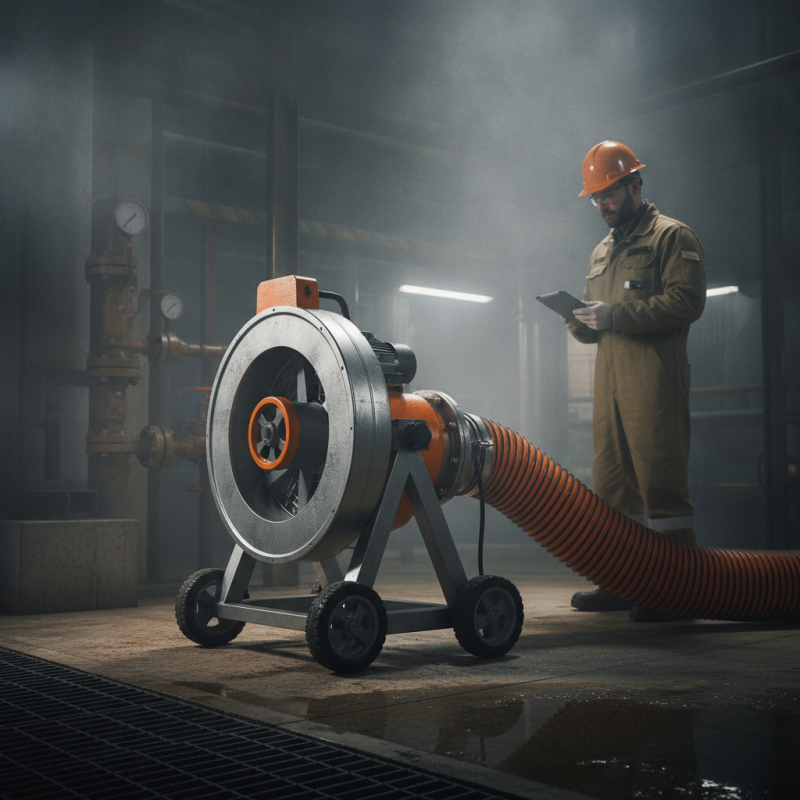
Understanding Intrinsically Safe Blower Fans and Their Applications
Choosing an intrinsically safe blower fan is essential for hazardous environments. These fans are designed to prevent ignition sources in flammable atmospheres. Understanding their unique applications can aid in making an informed decision. These fans are commonly used in chemical plants, oil refineries, and confined spaces where explosive gases may be present.
When selecting an intrinsically safe blower fan, consider the environment. The classification of the hazardous area will determine the type of equipment required. Always check the fan's specifications for compliance with safety standards. Proper airflow performance is crucial. Insufficient airflow can lead to the buildup of dangerous gases, creating a risk.
Even with safety features, remember that no equipment is infallible. Regular maintenance is vital to ensure functionality. It’s important to reflect on past incidents to improve safety measures. Make sure to engage with experts when making your selection. Their knowledge can provide insights that may be overlooked. By focusing on specific requirements, you can find a blower fan that meets the highest standards of safety and efficiency.
Key Safety Standards and Certifications to Look For
When choosing an intrinsically safe blower fan, understanding safety standards is crucial. Key certifications ensure the fan can operate safely in hazardous environments. Look for certifications like ATEX or IECEx that indicate compliance with strict safety guidelines. These standards assess the risks of explosions in various industrial settings. Check for testing by recognized organizations. Such validation boosts confidence in the product’s safety.
It’s wise to consider specific applications. Different environments have unique hazards. For instance, fans used in chemical plants may require different features than those for oil or gas sectors. Assess the ratings related to temperature and pressure. The right blower fan will have specifications tailored to the environment it’s meant for. Ignoring these details can lead to unsafe work conditions.
Be aware of additional features that enhance safety. Some fans include built-in fail-safes. These may help prevent overheating or electrical failures. Functionality plays a significant role in safety. Regular maintenance is also essential. Even the safest fan requires attention to perform reliably. Make sure to schedule periodic checks and keep records. This vigilance can prevent accidents and improve overall safety.
Assessing the Environmental Conditions for Fan Selection
Selecting the right intrinsically safe blower fan requires a thorough understanding of the environmental conditions where it will operate. Explosive atmospheres, dust-filled areas, and high humidity can drastically affect fan performance. Assessing these factors is crucial before making a decision. Determine whether the environment is classified as hazardous, and ensure that the fan meets the necessary safety standards for that classification.
Consider the specific temperature ranges and pressure conditions. Fans must be capable of functioning reliably under these constraints. For indoor use, check for potential obstructions, and ensure that airflow is unrestricted. Outdoor settings may require extra measures against moisture and contaminants. It's essential to think about the long-term implications of your choice. A fan that performs well now may not be suitable in the future if conditions change.
Don't overlook the importance of maintenance. Proper upkeep can significantly extend the life of your blower fan. However, maintenance can be tricky in tough environments. It’s worth reflecting on the trade-offs you might face between cost and reliability. An overly budget-conscious decision could lead to breakdowns or even safety hazards later on. Take the time to weigh all these elements carefully before making a final choice.
Evaluating Airflow Requirements and Fan Specifications
When choosing an intrinsically safe blower fan, it's crucial to evaluate airflow requirements thoroughly. This involves understanding the specific needs of your environment. According to the National Fire Protection Association, over 1,000 incidents arise from inadequate ventilation annually. A reliable fan must meet these airflow needs to prevent hazardous situations.
Tip: Assess the volume of air needed. Measure the space size and check airflow ratings in cubic feet per minute (CFM). Many industrial environments require fans that deliver at least 1,000 CFM for proper ventilation.
Fan specifications should also align with safety standards. Look for certifications from recognized bodies. This documentation assures compliance with intrinsic safety principles. Parameters like pressure drop and efficiency ratings are also key. The American Society of Mechanical Engineers states that 70% of fan failures stem from unsuitable specifications.
Tip: Always cross-reference fan features against your operational demands. Consider features such as noise levels and durability. Think critically about how well the fan will perform under your specific conditions.
Comparing Brands and Models for Reliability and Performance
When selecting an intrinsically safe blower fan, comparing brands and models is crucial. Reliability and performance should be your main concerns. Look for features like explosion-proof ratings and efficient airflow designs. Pay attention to design details, as they affect durability and operation.
One effective tip is to research manufacturer credentials. A reputable company often has a solid track record. Explore user reviews to gain insights into real-world performance. Metrics such as noise level and energy efficiency should meet your operational needs. Sometimes, less-known brands provide surprisingly comparable performance to better-known ones.
Test the product whenever possible. Hands-on evaluation can reveal operational quirks. Use this experience to assess factors like weight and ease of installation. A well-designed fan should balance power and mobility. However, not every product will meet your expectations perfectly. Reflecting on your experience can help guide future purchases.
Top 5 Tips for Choosing an Intrinsically Safe Blower Fan
This chart presents key performance metrics to consider when selecting an intrinsically safe blower fan. Each parameter plays a crucial role in the overall reliability and effectiveness of the fan in various environments.