Industries
Get direct access to our extensive portfolio of optical products and specialist technical expertise.
Choosing tires for an electric vehicle is not a simple size match. EVs can deliver strong instant torque, carry heavy battery packs, and travel quietly enough to reveal road noise. Those details change what drivers may notice: tread wear, cabin comfort, wet grip, and driving range. Small choices matter.
The U.S. Department of Energy notes that low-rolling-resistance tires can improve fuel economy by about 1% to 2% in conventional vehicles. That figure is not an EV range guarantee, but it shows why tire efficiency deserves attention. Consumer Reports auto expert Mike Monticello has described tires as “the only thing connecting your car to the road.” It’s a simple point, and an important one. A few millimeters of tread separate a quiet commute from a longer wet-weather stopping distance.
This guide, “10 Tips for Choosing the Best EV Tires,” looks beyond the EV label. It considers load ratings, rolling resistance, tread life, noise, seasonal performance, and the manufacturer’s fitment guidance. No single tire excels at everything. A range-focused model may feel different in heavy rain, while a durable tread may trade some efficiency for longer service. Actual results vary by vehicle, pressure, temperature, and driving style. And yes, tire labels can be confusing. Use the tips to compare evidence, check specifications, and choose a set that fits your roads—not just the marketing.
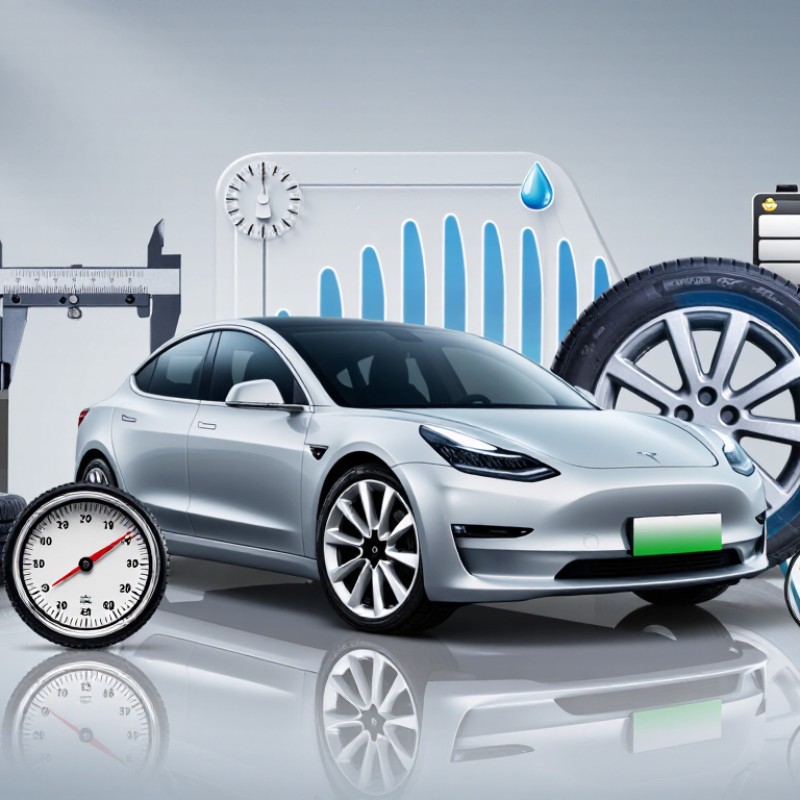
Electric vehicles place different demands on tires than comparable gasoline cars. Their battery packs add mass, increasing the load each tire carries, especially when braking or cornering. Consumer Reports’ 2023 tire-wear analysis found that EV tires can wear about 20% faster than conventional-car tires. That matters. A tire that looks suitable by size alone may still have an inadequate load index.
Instant torque adds another strain. At a stoplight, a quick launch can scrub rubber from the tread; repeated hard acceleration makes wear worse. Still, weight is not the whole story. Driving style, alignment, road surface, and tire pressure all affect lifespan. It is easy to blame the vehicle and overlook a simple pressure check.
When comparing tires, check the vehicle’s specified size and load rating, then consider rolling resistance, wet grip, and noise. Lower rolling resistance can help conserve battery energy, but grip should not be sacrificed for range. NHTSA’s Tire Fuel Efficiency Consumer Information Program provides rolling-resistance ratings for comparing tire efficiency. A quiet cabin also makes tire noise more noticeable, especially on coarse pavement. Choose a suitable balance, and inspect tread and pressure regularly. The trade-off is not always obvious. A tire marketed for efficiency may feel less composed in rain, so match its performance to your routes and weather.
Electric vehicles can place different demands on tires because of battery-related weight, instant torque, and quiet cabins. Use this chart as a qualitative comparison guide—not as measured test data. Vehicle and driving conditions vary.
Start with the tire information on the driver-side door placard and in the owner’s manual. Check the full size code, including width, aspect ratio, and wheel diameter. A tire that fits the rim may still be the wrong size for the vehicle. Small numbers matter.
Compare the replacement tire’s load index with the vehicle’s requirements. The index indicates carrying capacity, but it must be interpreted using a load-index chart. Do not choose a tire with a lower load capacity than specified. Electric vehicles can be heavy, especially with passengers and cargo aboard. The sidewall’s maximum pressure is not automatically the correct inflation pressure; follow the vehicle placard.
Confirm that the tire is approved for your exact model and wheel setup, including any manufacturer-listed alternatives. Incorrect dimensions can affect fender clearance, steering, braking, and speedometer readings. Also check that the tire works with the vehicle’s pressure-monitoring system. A common mistake is matching only the numbers on the old tire. That tire may already be an unsuitable replacement. It is worth checking twice, especially after a wheel change. If the fitment details conflict, pause and ask a qualified tire professional to verify them.
10 Tips for Choosing the Best EV Tires
Compare more than the mileage claim. Rolling resistance affects how much energy your EV needs, while tread design, tire pressure, and temperature also shape real-world range. The U.S. Department of Energy estimates that properly inflated tires can improve fuel economy by up to 3%. That figure is not an EV-specific range guarantee, but it shows why checking pressure matters. Measure it when tires are cold.
Grip is not optional. The European Commission’s tire-label system reports wet-grip performance and external rolling noise, alongside rolling resistance. Compare the label before buying, then consider your regular routes: rainy highways call for confident wet braking, while rough pavement can make cabin noise more noticeable. A quiet tire may feel less quiet on coarse asphalt. Check tread-life estimates too, but treat them as comparisons, not promises; driving style and alignment can change wear.
Tip: Match tire size and load rating to the vehicle placard, and compare labeled efficiency, wet grip, and noise. Inspect tread regularly, especially near the shoulders. Small details matter. I’d also recheck pressure after a sharp temperature drop; it is easy to overlook, and range estimates alone can be misleading.
Weather should guide your EV tire choice as much as range does. In warm, dry regions, touring tires can offer steady handling and a quieter ride. Frequent rain calls for strong wet-grip performance and channels that move water away from the tread. For regular snow or icy roads, use tires designed for winter conditions; all-season tires may not provide enough traction in severe cold. No tread can make slick roads risk-free.
Tips: Check the vehicle manual for approved tire sizes and load ratings, since EV batteries add weight. Set pressure to the vehicle’s recommended level when tires are cold, and inspect it monthly. Look for uneven wear, too. It can signal alignment or pressure issues.
Match the tread to the roads you actually drive, not just the weather forecast. Gravel roads, steep hills, and frequent highway trips each place different demands on tires. Low rolling resistance may help preserve driving range, but wet grip, braking, and load capacity still matter. Compare those factors together rather than choosing by one label. Tire advice can sound more certain than real conditions allow; your routes and habits may change the best choice. Reassess when seasons shift, and replace tires before worn tread compromises traction.
A low purchase price can hide expensive ownership. Compare the tire’s installed cost, not just its shelf price: fitting, balancing, disposal, and alignment can change the bill. Check the warranty’s mileage claim, prorated-credit rules, and exclusions for uneven wear. A warranty is only useful if you keep maintenance records. Keep receipts.
For long-term costs, ask how often the tires need rotation and whether your driving conditions may shorten their life. Electric vehicles deliver strong torque, and their added battery weight can make tread checks especially worthwhile. The U.S. Department of Energy’s FuelEconomy.gov estimates that properly inflated tires can improve a vehicle’s fuel economy by up to 3 percent. That figure is for fuel economy, not a guaranteed EV-range gain, but it shows why pressure checks matter. Check pressure monthly, when tires are cold, and use the vehicle placard’s recommendation.
Budget for more than replacement. The U.S. Department of Energy’s Alternative Fuels Data Center notes that EVs generally need less routine maintenance than conventional vehicles, but tires still require inspection and care. Look for a model with clear service guidance and readily available specifications. I would not choose by warranty mileage alone; real wear varies with road surface, load, temperature, and driving style. Slightly imperfect, but honest. A simple maintenance log can reveal whether the promised value holds up over time.
| Tip | What to Check | Practical Guidance | Long-Term Cost or Maintenance Impact |
|---|---|---|---|
| 1. Confirm the correct tire size | Read the vehicle placard and owner’s manual for the approved size, load index, and speed rating. | Match the required specifications; do not choose a tire based on size alone. Some vehicles have different front and rear sizes. | The correct fit helps preserve safe handling, load capacity, and compatibility with the vehicle. |
| 2. Compare total installed price | Request an itemized quote for the same tire size and specification. | Check whether mounting, balancing, valve or TPMS service, disposal fees, and taxes are included. | A lower advertised tire price may not mean a lower final bill. Compare the complete installed cost. |
| 3. Read the treadwear warranty carefully | Review the stated mileage coverage, eligibility rules, and required maintenance records. | Warranty terms vary. Coverage may depend on rotation, alignment, inflation, and reaching a specified remaining tread depth; damage and uneven wear may be excluded. | Treat a mileage warranty as conditional coverage, not a guaranteed tire life or cash refund. |
| 4. Check load capacity for the vehicle | Verify the tire’s load index against the vehicle manufacturer’s requirements. | EV battery weight makes it especially important not to fit tires with a load rating below the specified requirement. Use reinforced or higher-load versions only when approved for the vehicle. | Correct load capacity supports safe operation and can help avoid premature wear from an unsuitable fitment. |
| 5. Compare rolling-resistance information | Look for credible efficiency or rolling-resistance data for the exact tire size and configuration. | Lower rolling resistance can help reduce energy use, but real-world range also depends on speed, temperature, road surface, driving style, and tire pressure. | Consider efficiency alongside purchase price, wet grip, and expected service life rather than choosing on range claims alone. |
| 6. Consider noise and comfort | Check independent test results or arrange a suitable test drive when possible. | With less engine noise, tire noise can be more noticeable in an EV. Cabin sound also depends on the vehicle, road surface, and tire condition. | A quieter tire may improve daily comfort, but avoid assuming that a specific design will be quiet on every vehicle or road. |
| 7. Follow a pressure-check routine | Use the cold-tire pressure listed on the vehicle placard, not the maximum pressure printed on the tire sidewall. | Check pressure regularly—at least monthly and before long trips—and adjust when tires are cold. Follow the vehicle manual for pressure-monitoring guidance. | Correct inflation supports handling and helps limit irregular wear and avoidable energy loss. |
| 8. Plan rotations and inspections | Check the owner’s manual for the rotation pattern and interval, especially if the vehicle has staggered tire sizes or directional tires. | There is no single rotation schedule for every EV. Inspect tread and tire condition during routine service and follow the vehicle-specific instructions. | Regular rotation, where permitted, can promote more even wear and help you make full use of the set. |
| 9. Budget for alignment and wear checks | Watch for uneven tread wear, steering pull, or a change in handling. | Have alignment checked when symptoms appear or after an impact; use the vehicle maker’s specifications. Alignment needs are vehicle- and condition-dependent. | Finding alignment or suspension issues early can prevent avoidable uneven wear and repeat tire costs. |
| 10. Understand repair and replacement limits | Ask a qualified tire professional about puncture location, damage, tread depth, and the tire maker’s repair rules. | Not every puncture is safely repairable; sidewall damage and certain larger or improperly located injuries generally require replacement. Replace tires when tread reaches the legal limit or earlier if condition requires it. | Include inspections and possible repairs in your ownership budget, but prioritize safe replacement over extending a damaged or worn tire’s life. |