Industries
Get direct access to our extensive portfolio of optical products and specialist technical expertise.

Selecting the right supplier for a chrome plating power system requires more than comparing catalog prices. This guide examines the Top 10 Phase Lack Chrome Rectifier Manufacturers through practical performance, engineering capability, and customer reliability. A Phase Lack Chrome Rectifier should deliver steady direct current, controlled voltage, and consistent output during demanding plating cycles. Small variations can affect coating thickness, surface brightness, and production waste. These manufacturers are assessed through technical specifications, manufacturing experience, quality controls, and after-sales support.
The comparison considers output range, ripple control, cooling design, digital monitoring, overload protection, and customization options. Factory references also matter. A supplier with proven installations can better explain how its rectifiers perform beside plating tanks, ventilation systems, and chemical process equipment. Some manufacturers appear strong on paper but provide limited service documentation or slow technical responses. That weakness deserves attention. Buyers should verify test reports, warranty terms, spare-parts availability, and local support before making a decision.
Not every facility needs the same configuration. A small workshop may value simple controls and easy maintenance, while an automated line may require remote monitoring and precise current regulation. Installation conditions can change the result. Dust, heat, moisture, and unstable power supply often expose design weaknesses. This ranking offers a practical starting point, not an unquestionable verdict. Manufacturer reputation changes over time, and regional performance may differ. Careful verification remains essential. Production teams should compare real operating data, inspect reference projects, and ask direct questions before selecting a long-term rectifier partner.
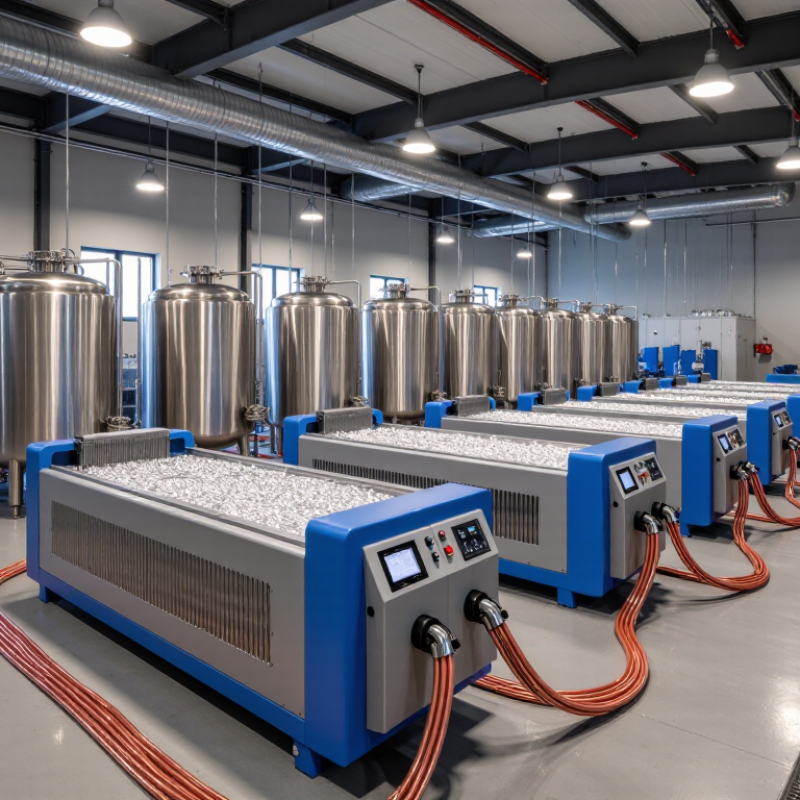
A phase-lack chrome rectifier is a three-phase power supply designed for electroplating lines. It converts alternating current into controlled direct current for chrome deposition. The phase-lack function detects a missing input phase before unstable output damages the process. This matters because plating quality depends on steady current, voltage, and bath conditions.
When one phase disappears, the rectifier may continue operating with increased stress on transformers, diodes, or power modules. Output ripple can rise. The workpiece may show uneven color, thin areas, burning, or poor adhesion. In a real workshop, an operator might blame the bath first. That assumption is often wrong. A loose terminal, failed fuse, or damaged contactor can create similar symptoms.
A reliable unit should include phase monitoring, overload protection, cooling control, and clear fault indicators. Technicians should verify input voltage across all phases with a calibrated meter. They should also inspect DC ripple, cable temperature, water flow, and electrode connections. Small details matter. A warm terminal deserves attention.
Rectifier selection should match the tank size, required current range, duty cycle, and plating chemistry. Oversizing is not always better; low-load control may become less precise. Maintenance records should include alarm history and measured output values. I have seen troubleshooting become slower when only “working” or “failed” is recorded. Better data supports safer decisions and more consistent chrome results.
Key Criteria for Evaluating Chrome Rectifier Manufacturers
Choosing a chrome rectifier manufacturer requires more than comparing catalog prices. Check output stability, current control, ripple performance, and rated duty cycle. A reliable unit should maintain steady DC output during long plating runs. It should also include clear phase-loss protection, overload alarms, and accessible fault records. These details matter when a bath operates for several hours without interruption.
Ask for measured test data, not broad claims. Examine voltage and current accuracy under changing loads. Review cooling design, cabinet protection, busbar quality, and component traceability. Water-cooled systems need leak monitoring and simple maintenance access. Air-cooled systems need clean airflow paths and realistic thermal ratings. Factory acceptance testing should verify insulation, emergency stops, control response, and output ripple. Request sample reports.
Experience is visible in small choices. Engineers should understand cathode geometry, contact resistance, and the effect of unstable current on coating appearance. They should discuss installation conditions, not only sell a power cabinet. Clear manuals, spare-part planning, remote support, and technician training improve reliability. Certifications and documented quality procedures add authority, but paperwork alone proves little. Field references are more useful when they describe actual load profiles.
No supplier gets every detail right. I would question unusually perfect efficiency figures. I would also check how faults are handled after delivery. A cheaper rectifier may become expensive when troubleshooting depends on one specialist. During evaluation, record unanswered questions. Those gaps often reveal more than polished presentations.
Technical evaluation framework for comparing industrial chrome-plating rectifier manufacturers without displaying company or brand information.
| No. | Evaluation Criterion | Recommended Benchmark | What to Verify | Importance for Chrome Plating | Suggested Weight |
|---|---|---|---|---|---|
| 1 | Output Voltage and Current Range | Typical industrial systems: 6–24 V DC and 500–20,000 A, selected according to tank size and process load. | Rated continuous current, overload capability, output adjustment range, and suitability for the required plating area. | Incorrect sizing can cause unstable deposition, excessive heating, or inadequate coverage. | 18% |
| 2 | Output Stability and Ripple | Regulated DC output with ripple commonly targeted below 3–5% under rated load. | Ripple measurement method, load conditions, transient response, and current regulation accuracy. | Low ripple supports uniform coating thickness, consistent appearance, and reduced burning defects. | 15% |
| 3 | Efficiency and Power Factor | Modern switching rectifiers commonly achieve approximately 85–95% efficiency with power factor correction options. | Efficiency at 25%, 50%, 75%, and 100% load; input power factor; harmonic-current performance. | Higher efficiency reduces electricity consumption, cooling demand, and operating cost. | 12% |
| 4 | Cooling and Thermal Design | Air cooling is common for moderate capacities; water cooling is often used for high-current continuous operation. | Cooling method, ambient-temperature rating, thermal derating curve, fan or pump serviceability, and enclosure ventilation. | Effective thermal control improves service life and prevents current reduction during long production cycles. | 10% |
| 5 | Protection and Safety Functions | Minimum protection should include over-current, short-circuit, over-temperature, phase loss, over-voltage, and under-voltage protection. | Protection thresholds, alarm records, emergency stop integration, insulation design, and fault-reset behavior. | Protection limits equipment damage and helps safeguard operators and connected process systems. | 12% |
| 6 | Control and Monitoring | Digital current and voltage control with local display; remote control or PLC communication is preferred for automated lines. | Setpoint resolution, analog or digital interfaces, communication protocols, data logging, and remote diagnostics. | Accurate control improves repeatability and simplifies integration with plating-line automation. | 10% |
| 7 | Input Compatibility | Three-phase input is typical for industrial high-power rectifiers; confirm supply voltage, frequency, and phase-loss tolerance. | Input range, 50/60 Hz compatibility, phase-sequence requirements, transformer needs, and harmonic mitigation. | Correct input matching prevents nuisance trips, overheating, and installation delays. | 8% |
| 8 | Compliance and Documentation | Relevant electrical-safety and electromagnetic-compatibility documentation should be available for the target market. | Declarations, test reports, wiring diagrams, manuals, risk assessments, and component traceability records. | Complete documentation supports regulatory approval, maintenance, and safe commissioning. | 6% |
| 9 | Reliability and Maintainability | Prefer modular power assemblies, accessible service points, replaceable cooling components, and clearly identified spare parts. | Factory testing, burn-in procedures, maintenance intervals, spare-parts availability, and mean-time-to-repair targets. | Maintainable equipment reduces downtime and improves total ownership cost over the operating life. | 5% |
| 10 | Technical Support and Commercial Terms | Evaluate engineering support, commissioning assistance, warranty coverage, delivery schedule, and lifecycle service. | Warranty duration, response time, training, site-support availability, customization capability, and spare-parts lead time. | Responsive support reduces commissioning risk and protects production continuity. | 4% |
Top 10 Phase-Lack Chrome Rectifier Manufacturers
Selecting among the top 10 phase-lack chrome rectifier manufacturers requires more than comparing output ratings. Experienced plating engineers inspect phase-loss protection, current stability, cooling design, and control accuracy. A reliable unit should maintain even chrome coverage when electrical conditions fluctuate. Look for clear specifications, documented factory testing, and service support from qualified technicians.
In practical workshops, rectifiers face dust, heat, vibration, and long operating cycles. Strong manufacturers use protected cabinets, accessible components, and alarms that operators can understand quickly. Ask whether the equipment supports automatic shutdown during phase loss. Confirm its ripple performance at low and high loads. Some suppliers publish impressive figures, yet provide limited test details. That is a warning sign.
Tips: Request a sample test report before purchasing. Check cable connections, cooling airflow, and display visibility. Speak with users who run similar plating tanks. Do not select only by price. A cheaper rectifier may increase downtime and uneven coating costs. I have found that service response matters as much as electrical performance. Still, field conditions differ, and no comparison is perfect. Allow room for that uncertainty.
Comparing ten leading phase lack chrome rectifier manufacturers requires more than checking output voltage. In chrome plating, stable current directly affects coating thickness, brightness, and adhesion. A suitable unit should maintain low ripple under heavy loads. It should also detect phase loss before transformers and power modules overheat.
During technical evaluations, engineers often inspect silicon-controlled rectifier control, switching response, cooling design, and fault protection. Air cooling may suit moderate production, while water cooling handles continuous high-current operation more effectively. Digital control panels improve repeatability, but only when sensors are calibrated. A clear alarm history also helps maintenance teams find intermittent phase faults.
Test results should include current stability, efficiency, recovery time, and temperature rise. A load-bank test can reveal weaknesses hidden during factory demonstrations. Thermal imaging is useful near busbars, cable joints, and rectifier stacks. Some manufacturers offer remote monitoring, data logging, and automatic current ramps. These features reduce process variation, although they add setup complexity. Keep that trade-off visible.
One practical concern is service access. A technically advanced rectifier becomes costly when replacement modules are difficult to obtain. Spare-part availability, wiring diagrams, inspection records, and technician training deserve equal attention. No ranking is perfect. Site voltage fluctuations and operator habits can change the result. The strongest choice balances ripple performance, phase-loss protection, cooling capacity, control accuracy, and dependable support.
Choosing the right phase lack chrome rectifier manufacturer requires more than comparing prices. Your plating process needs stable current, accurate voltage control, and dependable protection against phase-loss conditions. Review the manufacturer’s experience with chrome plating lines, especially systems operating under continuous industrial loads.
Ask for clear electrical specifications. Check output range, ripple percentage, cooling method, control response, enclosure rating, and overload protection. A reliable manufacturer should provide inspection records, calibration documents, wiring diagrams, and practical installation guidance. Speak with technical staff before ordering. Their answers often reveal their actual expertise.
Tips: Request a sample test report and verify its measurement conditions. Confirm spare-part availability, response times, and warranty limits. Ask whether the rectifier can match your existing busbars and control system. Small compatibility issues can delay installation.
Visit the production site if possible. Look for organized testing areas, labeled components, and traceable quality procedures. Ask how failures are recorded and corrected. Experience matters here. However, no supplier is perfect, and a polished presentation does not guarantee long-term performance. I once focused too heavily on output capacity and overlooked service access; that mistake made maintenance slower. Choose a manufacturer willing to discuss weaknesses, not only advantages. A useful partner explains risks plainly and supports commissioning after delivery.