Top 10 Benefits of Direct Attach Cable for Your Business Needs?
In today’s fast-paced business environment, efficiency is crucial. One of the key components of an effective network infrastructure is the direct attach cable. This simple yet powerful tool can significantly enhance your business's connectivity. It serves as a cost-effective solution for high-speed data transfer between servers and switches.
Direct attach cables offer reliable performance. They are designed to minimize signal loss and reduce latency. This means that data transfers are quicker and more effective. Businesses can rely on direct attach cables to support bandwidth-intensive applications without interruption. However, some might underestimate their potential.
Choosing the right direct attach cable can lead to better network performance. It’s essential to consider factors like length and compatibility. Not all cables are created equal, and businesses must evaluate their specific needs. Investing in quality direct attach cables is not just a choice; it’s a strategic decision for future growth.
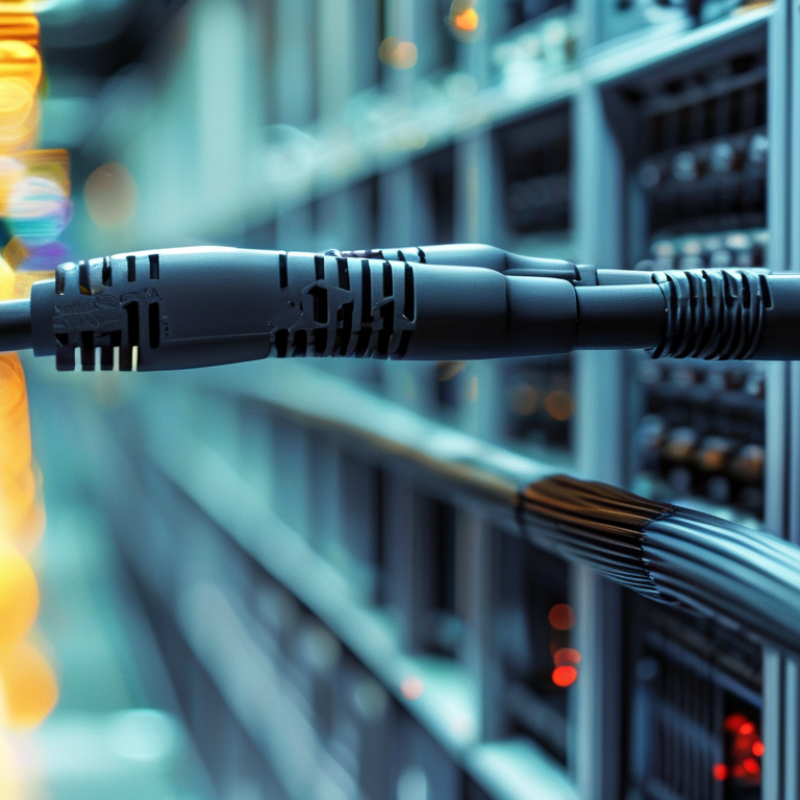
Understanding Direct Attach Cable: A Comprehensive Overview
Direct Attach Cable (DAC) is becoming a popular choice for businesses needing efficient, high-speed connections. According to a recent industry report, over 65% of data centers are adopting DAC to streamline operations. These cables offer a simple design that reduces latency and enhances performance. The direct connection between devices minimizes the signal degradation often seen with traditional cabling.
DACs provide significant cost benefits. They require less space and eliminate the need for additional components like transceivers. This can lead to cost savings of up to 30% in comparison to optical fiber systems. Additionally, with a reduced footprint, organizations can benefit from simpler management and installation processes.
While DACs are efficient, they are not without limitations. They have distance constraints, typically just a few meters. Companies should assess their scalability needs before adopting DAC technology. Despite potential downsides, the growing acceptance of direct attach cables indicates their reliability and utility in modern networking environments. A survey shows that 72% of IT professionals find DAC solutions to be both cost-effective and sufficient for their existing infrastructures.
Cost-Effectiveness of Direct Attach Cable for Businesses
Direct Attach Cables (DACs) have gained popularity in modern businesses. They are an efficient choice for many data center operations. One primary reason is their cost-effectiveness. DACs typically require less initial investment compared to conventional fiber optic cables. This makes them attractive for smaller businesses or startups with tight budgets.
The installation process of DACs is straightforward. They come with pre-terminated connections, which mean you save on labor costs and time. This can be critical for businesses that need to get up and running quickly. Additionally, DACs often consume less power than their alternatives. Reduced energy consumption translates directly into savings on utility bills. However, businesses should consider compatibility; not all devices may support direct attach technology.
Choosing DACs might not be the best fit for every situation. Their distance limitations are a drawback. They are generally effective for short distances of up to 15 meters. For longer runs, investment in fiber optics might be necessary. Businesses should weigh these considerations carefully before making decisions. Overall, DACs offer a practical solution with specific advantages that align well with budget-conscious strategies.
Enhanced Performance and Speed with Direct Attach Cable
Direct Attach Cable (DAC) has become an essential choice for businesses prioritizing performance and speed. These cables offer a straightforward solution for high-bandwidth networking. DACs feature high-quality connectors that ensure minimal signal loss. This design contributes to faster data transfer, essential for applications like data centers and cloud computing.
Businesses that value speed should consider the following tips: always check cable lengths and compatibility. Different setups may require specific lengths to optimize performance. Additionally, ensure that the DAC meets your bandwidth requirements. Assessing these factors can save time and enhance network efficiency.
When implementing DAC in your infrastructure, be aware of potential drawbacks. Some businesses report overheating issues in tightly packed spaces. This is a crucial aspect to monitor, as it can impact overall productivity. Regular maintenance and checks can mitigate this risk, ensuring that your setup remains effective.
Simplified Installation and Maintenance of Direct Attach Cable
The installation and maintenance of network equipment can be complex. Direct Attach Cables (DAC) simplify this process significantly. Unlike traditional cabling, DACs offer a streamlined approach. They eliminate the need for separate transceivers. This leads to a reduction in installation time and costs. According to a recent report, companies can cut installation times by up to 30% when using DACs over standard cabling.
Maintenance is another critical factor. DACs generally require less troubleshooting. Their plug-and-play design minimizes human error during installation. This reliability translates into fewer service interruptions. A study noted that using DACs could reduce maintenance costs by 20% annually. This can be a game changer for businesses looking to optimize operational efficiency.
It's essential to consider the limitations, too. DACs have fixed lengths, which may not suit every organization’s needs. Proper planning is necessary to ensure optimal performance. However, when implemented correctly, they can greatly enhance the maintenance and installation landscape in any business. This balance of simplicity and efficiency is where DACs truly shine.
Versatility and Compatibility of Direct Attach Cable in Various Setups
Direct Attach Cables (DAC) offer remarkable versatility and compatibility for diverse business setups. These cables are designed for short-range connections, typically within data centers and enterprise networks. They come in various forms, such as SFP+, QSFP+, and more. A recent report by the International Data Corporation (IDC) highlights that approximately 60% of businesses are adopting DAC due to their cost-effectiveness and ease of installation.
The simplicity of DAC is noteworthy. They replace bulky fiber optic cables and minimize the need for additional transceiver modules. This reduction significantly lowers installation time and costs. According to the Cisco Global Cloud Index, data center traffic is expected to grow by 25% annually. This surge means businesses must quickly adapt to new technologies. DACs are highly compatible with most switch and server setups, making them an excellent choice for systems that require quick deployment and flexibility.
However, organizations must consider the limitations of DACs. They are best for short distances, typically up to 7 meters. If a business anticipates growth beyond this range, they might need to reconsider their strategy. While DACs are user-friendly, businesses may encounter compatibility issues with specific models down the line. As technology evolves, revisiting the infrastructure choices is essential to ensure efficiency and performance remain optimal.
Top 10 Benefits of Direct Attach Cable for Your Business Needs
| Benefit |
Description |
Use Case |
Compatibility |
| Cost-Effective |
Lower cost compared to fiber optics for short distance. |
Data centers |
Compatible with SFP+ ports |
| Ease of Installation |
Simple plug-and-play setup. |
Corporate networks |
Works with most switches |
| Compact Design |
Requires less space than traditional cables. |
Server racks |
Standard RJ45 connections |
| High Speed |
Supports high data transmission rates. |
High-performance computing |
10GBASE-T networking |
| Low Latency |
Reduces delay in data transfer. |
Real-time applications |
Compatible with various routers |
| Durability |
Tough construction for long-lasting use. |
Industrial setups |
Robust network hardware |
| Flexibility |
Can be used in various environments. |
Office configurations |
Supports multiple vendors' equipment |
| Reduced Power Consumption |
Energy-efficient design. |
Sustainable business practices |
Various compatible devices |
| Simplified Scalability |
Easy to expand networks without hassle. |
Growing businesses |
Network expansion kits |
| Versatile Applications |
Adaptable for various data transmission needs. |
Mixed environment setups |
Interoperable with many network types |