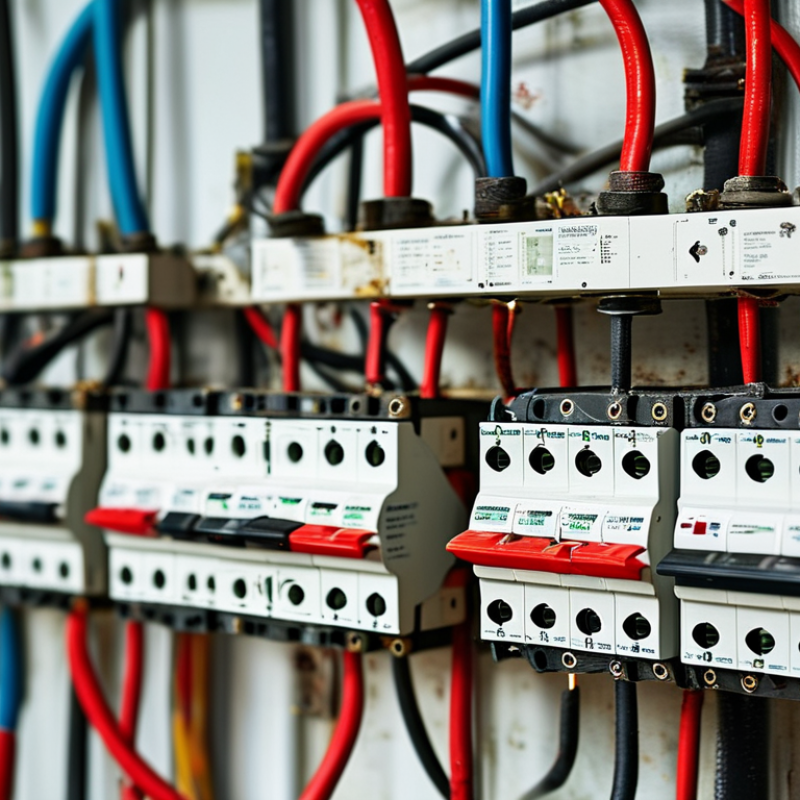
Top 10 Breaker For House You Should Consider Today?
Choosing the right Breaker For House is crucial for safety and efficiency. A reliable breaker protects your home from electrical failures. It prevents overloading and potential hazards. You need a system that works for your specific needs.
Many brands claim superiority, but not all deliver. Understanding your requirements is essential. Factors such as the total load, type of appliances, and wiring impact your choice. Ignoring these details can lead to problems down the road.
Researching the top 10 breakers for house can simplify this process. Each option has unique features, advantages, and drawbacks. Identifying what works for you is vital in making an informed decision. Don't rush this choice. Your home's safety relies on it.
Understanding the Importance of Circuit Breakers in Home Safety
Circuit breakers are essential for home safety. They protect your electrical system from overloads and faults. Without them, your home is at risk of electrical fires and damage. When a circuit experiences excessive current, the breaker interrupts the flow. This action prevents potential hazards.
Choosing the right circuit breaker requires some understanding. Not all homes are the same. Different electrical loads need different breakers. For instance, larger appliances require breakers with higher amperage. Installing the wrong type could lead to frequent trips or worse, overloaded circuits. It’s vital to assess your home’s needs carefully.
Sometimes, homeowners overlook the importance of regular inspections. Circuit breakers can wear out or fail over time. This degradation can lead to unreliable performance. Regularly checking your electrical panel can help identify problems early. Awareness and proactive measures can enhance safety and reliability in your home.
Types of Circuit Breakers: Which One is Right for Your House?
When selecting the right circuit breaker for your home, understanding the different types available is crucial. There are several primary categories: Standard Breakers, Ground Fault Circuit Interrupters (GFCIs), and Arc Fault Circuit Interrupters (AFCIs). Each has its unique function and application. For instance, GFCIs are essential in areas with water exposure, like kitchens and bathrooms. They prevent electrical shocks by cutting off power when a ground fault is detected. According to the National Fire Protection Association, GFCIs have reduced electrocution incidents by over 50% in high-risk environments.
On the other hand, AFCIs protect against electrical fires caused by arc faults. The Consumer Product Safety Commission states that homes without AFCIs are 51% more likely to experience electrical fires. Choosing the right breaker can significantly enhance your home's safety. Many homeowners overlook the potential for overloading circuits, leading to increased fire hazards. Reassessing your circuit needs and selecting the appropriate breaker type can mitigate these risks effectively.
Understanding your electrical system's specific requirements is vital. An expert electrician can help determine the ideal circuit breaker based on your usage patterns. Regular inspections are advisable to ensure all breakers function correctly. Not all circuit breakers are created equal, and poor choices could lead to serious problems. Homeowners must stay informed and proactive in their decision-making process.
Features to Look for When Choosing a Circuit Breaker
When selecting a circuit breaker for your home, consider several essential features. Firstly, assess the breaker’s amperage rating. It defines how much current the breaker can handle without tripping. Choosing an inadequate rating can lead to frequent trips, while an oversized breaker poses fire risks. Aim for a balance that fits your household's power needs.
Next, consider the breaker type. Different types serve various purposes. A standard breaker protects standard circuits, while GFCI breakers protect wet areas like kitchens and bathrooms. AFCI breakers prevent electrical fires by detecting arcs in electrical wiring. It’s crucial to know where to install each type for maximum efficiency.
Finally, evaluate the breaker’s durability and technology. A reliable circuit breaker should withstand wear and tear. Look for breakers with advanced safety features. Some may include smart technology that alerts you to problems. Such features can enhance peace of mind. However, weigh the costs; advanced technology might be overkill for simple needs. Balancing functionality with your budget can be challenging but necessary for a safe home.
Top 10 Breaker For House You Should Consider Today
| Breaker Type | Amperage | Voltage | Features | Price Range |
| Single Pole | 15A | 120V | Standard operation, compact design | $5 - $15 |
| Double Pole | 20A | 240V | Ideal for larger appliances | $10 - $25 |
| GFCI | 15A | 120V | Ground fault protection | $15 - $30 |
| AFCI | 20A | 120V | Arc fault protection | $25 - $50 |
| Smart Circuit Breaker | 15A / 20A | 120V | Wi-Fi connectivity, app control | $50 - $100 |
| Surge Protection Breaker | 20A | 120/240V | Built-in surge protection | $30 - $70 |
| Miniature Circuit Breaker (MCB) | 6A - 32A | Single or double phase | Trip mechanism for overloads | $10 - $20 |
| Residual Current Circuit Breaker (RCCB) | 25A / 30mA | Single phase | Protection against earth faults | $20 - $40 |
| Hydraulic Magnetic Circuit Breaker | Various amp ratings | 120/240V | Reliable thermal and magnetic trip | $15 - $35 |
Top Brands and Models of Circuit Breakers for Residential Use
When selecting a circuit breaker for residential use, understanding the offerings from leading brands is crucial. High-quality circuit breakers provide reliable protection against electrical faults. Look for models that offer features like arc fault and ground fault protection. These features reduce the risk of fires and electrical accidents at home. It’s essential to consider the specifications before making a choice.
Several models stand out for their efficiency and performance. For example, models equipped with advanced technology enhance safety and improve overall functionality. Investigating customer reviews can reveal practical insights about performance in real-life situations. Users often mention durability and ease of installation as important factors.
However, not all models are flawless. Some users may experience difficulties with compatibility during installation. Others might find that their circuit breakers do not trip as expected, posing risks. Addressing these concerns is vital when choosing the right model. Conduct thorough research and weigh pros and cons to ensure your decision aligns with your home’s electrical needs.
Top 10 Circuit Breakers for Residential Use
Installation and Maintenance Tips for Home Circuit Breakers
When it comes to installing and maintaining home circuit breakers, several essential practices can enhance safety and reliability. Understanding the layout of your electrical system is crucial before making any changes. Check your breaker panel for any signs of wear, like discoloration or unusual noises.
Regular inspections are vital. You should look for signs of tripped breakers frequently. Resetting them repeatedly could mean an underlying problem. In such cases, consult an electrician for further evaluation. Additionally, maintaining a clutter-free environment around the circuit breakers helps ensure proper airflow, which is important for heat dissipation.
When replacing circuit breakers, make sure to choose the correct amperage ratings. Oversized breakers can lead to dangerous situations, while undersized ones may trip too easily. If unsure, referring to the electrical load calculations is a good idea. Ensure all work complies with local electrical codes to avoid violations or safety hazards.