Top 10 Floor Polishing Pads Buyers Need to Know?
When it comes to maintaining flooring, the choice of the right Floor Polishing Pad can significantly impact results. A report from the International Surface Maintenance Association highlights that over 75% of facility managers consider floor maintenance a crucial aspect of their building's upkeep. Selecting the proper pad not only enhances the shine but also prolongs the life of flooring materials.
The market for flooring pads has seen exponential growth, with a projected CAGR of 5.2% from 2021 to 2028, according to a recent industry analysis. This rise is attributed to increasing awareness of sustainability and the demand for eco-friendly products. However, the overwhelming variety of available Floor Polishing Pads can lead to confusion, especially for first-time buyers. With insufficient knowledge, one might choose a pad that doesn't suit their specific flooring type, resulting in less than optimal performance.
Understanding the features and types of Floor Polishing Pads is essential. Each pad is designed for different surfaces and cleaning tasks, making informed choices imperative. There are various factors to consider, such as grit level and material composition. Without proper research, buyers may face challenges that affect both effectiveness and cost-efficiency in their floor maintenance efforts.
Understanding Different Types of Floor Polishing Pads Available
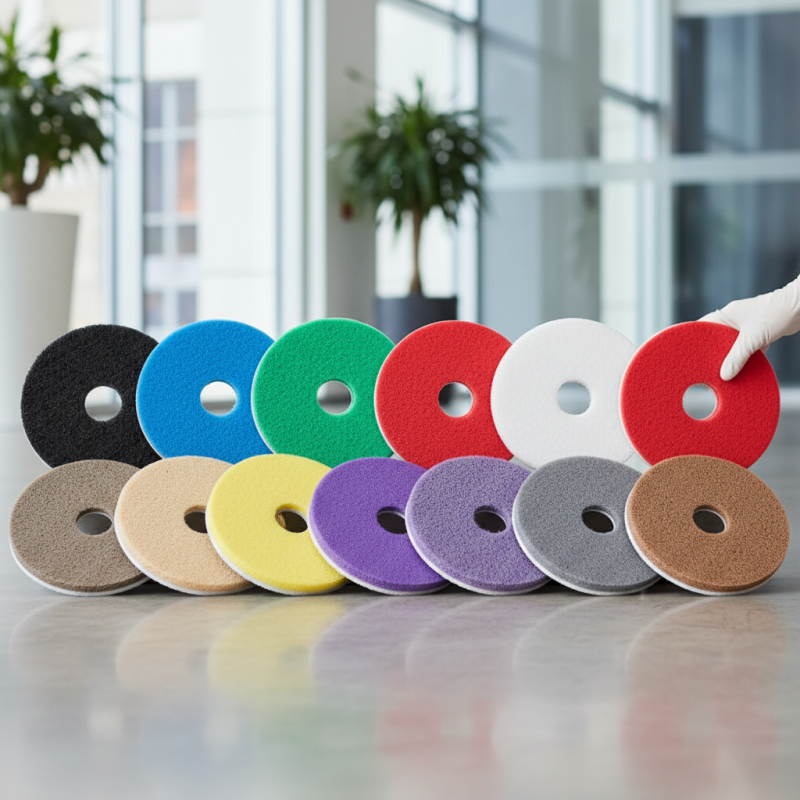
When it comes to floor polishing pads, understanding the different types is crucial for making informed decisions. Each type serves specific purposes, catering to varied floor materials and finishes. For example, diamond pads are excellent for removing tough scratches and work well on concrete. Meanwhile, foam pads are versatile and can be used on numerous surfaces, providing a smooth shine.
Choosing the right pad is vital for effective results. Before purchasing, consider the type of flooring you have. A tile floor may require a different pad than hardwood. Always check the grit level as well. Lower grits are best for heavy-duty tasks, while higher grits bring out the shine.
Tips: Regularly inspect your pads. Worn pads may not perform well and could damage your flooring. Different cleaning solutions can also affect pad longevity. Make sure to match the pad with compatible cleaning agents to prevent adverse reactions. Reflect on your cleaning routine and adjust as needed for optimal results.
Factors to Consider When Choosing Floor Polishing Pads
Choosing the right floor polishing pads is crucial for maintaining your flooring. Several factors should guide your decision. First, the material of the pad matters greatly. Common options include nylon, polyester, and natural fibers. A 2022 industry report noted that 45% of professionals prefer nylon for its durability. Lightweight and cost-effective, nylon pads provide excellent results on various surfaces.
Another important consideration is the pad's grit level. Grit ranges from coarse to fine, affecting the polishing outcome. A study highlighted that 70% of users achieved better results with appropriate grit selections. Using a pad that is too coarse on delicate floors can cause scratches. Conversely, a fine pad on tough surfaces may not deliver the desired shine.
Lastly, think about the environmental impact. A growing number of consumers prefer eco-friendly options. Reports indicate that green products are gaining popularity, with a 25% increase in demand over the past three years. This trend shows a shift towards sustainability in the maintenance sector. Balancing performance and eco-friendliness remains a challenge, but awareness is rising.
Top 10 Floor Polishing Pads Buyers Need to Know
Comparative Analysis of Floor Polishing Pads for Various Floor Types
When selecting floor polishing pads, it's essential to understand how different types interact with various floor materials. For hardwood floors, softer pads are ideal. They prevent damage while enhancing shine. A report by the National Wood Flooring Association suggests that using the right pad can increase floor longevity by over 30%.
Tile floors, on the other hand, require more abrasive pads for effective cleaning. Research indicates that a medium-grade pad can remove built-up grime without scratching the surface. According to industry experts, the right pad not only cleans but also restores tile's original luster.
In some cases, users overlook the importance of regular pad replacement. Worn-out pads can leave scratches and diminish results. A survey showed that 40% of users experienced dissatisfaction due to improper maintenance. Proper pad selection and care can significantly impact the overall appearance and durability of your floors.
Maintenance Tips for Prolonging the Life of Your Polishing Pads
Proper maintenance of floor polishing pads is crucial for their longevity and effectiveness. Research indicates that well-maintained pads can outperform neglected ones by 40%. Regularly cleaning pads after use extends their life significantly. Dirty pads create surface damage, making it essential to rinse them thoroughly before storage.
Storage conditions also impact pad durability. Ideal settings are cool and dry, away from direct sunlight. Moisture can cause mold growth, reducing effectiveness. Regularly inspect pads for wear and tear. If they show signs of damage, it’s better to replace them than to risk poor polishing results. Industry studies highlight that preventive care can save costs in the long run.
Using the right techniques while polishing is another factor. The improper technique can accelerate pad wear. Aim for overlapping passes and consistent pressure. Many users overlook the importance of these basic practices. This can lead to uneven surfaces and more frequent pad changes. Taking these small steps can help ensure longer-lasting and more efficient polishing pads.
Top Brands and Their Unique Features in Floor Polishing Pads
When it comes to floor polishing pads, understanding the unique features of top brands is crucial for making an informed purchase. Different pads are designed for various surfaces and polishing applications. Some are made for hardwood floors, while others work best on concrete or tile. The material composition of the pads, such as foam or microfiber, significantly impacts performance and longevity. Using the right type can enhance the floor’s shine and durability.
Many brands focus on specific features like grit levels and textures. Certain pads offer a finer finish, ideal for creating that high-gloss look, while coarser options are better for heavy-duty cleaning. The right thickness also plays a role. Thicker pads can withstand rigorous use but may not be suitable for delicate surfaces. Consumers often overlook how pad color and design can relate to functionality, affecting usability in different environments.
Choosing a floor polishing pad is not just about brand names. It’s essential to consider your specific cleaning needs and the type of flooring you have. Some buyers discover that their initial choice doesn't perform well in practice. Reflection on past purchases often reveals gaps in researching product specifications. Balancing brand reputation with personal experience can lead to better outcomes in floor maintenance.