Top 5 Wifi Doorbell Tips for Global Buyers How to Choose?
As technology evolves, Wifi Doorbells have become essential for modern homes. They enhance security and provide convenience. For global buyers, selecting the right Wifi doorbell can be overwhelming. With many brands and features available, you might wonder where to start.
Understanding your needs is crucial. Do you desire video capabilities? Or is simple two-way audio sufficient? Quality and reliability should be at the forefront of your decision. Some products promise great features but fall short in real-world applications. Reviews and recommendations can help you navigate through options. Not all Wifi doorbells are created equal.
Investing in a Wifi doorbell involves considering your specific circumstances. For instance, consider your home's layout and your internet connection. Not every Wifi doorbell will perform well in every environment. Take the time to reflect on these factors. This approach leads to a more informed choice, ensuring your purchase meets your expectations.
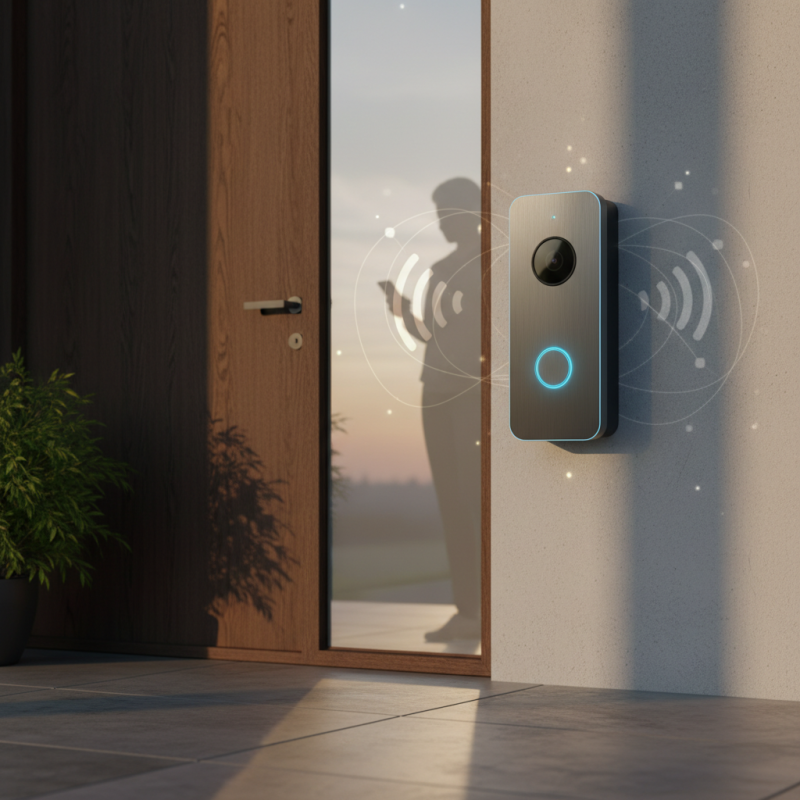
Top Features to Look for in Wifi Doorbells for Global Buyers
When considering wifi doorbells, features matter deeply to global buyers. Look for high-definition video quality. This ensures that you can see who is at your door clearly. Night vision is also essential. It allows you to monitor your entrance after dark. Motion detection can alert you to any movement outside.
Another important aspect is two-way audio. This feature enables communication with visitors. It’s helpful when you can’t physically answer the door. Additionally, cloud storage for video footage offers peace of mind. It provides a way to keep records without needing extra hardware. Ensure that the doorbell is compatible with your devices too.
Battery life can be a concern. Some models drain quickly, making you recharge too often. Consider a hardwired doorbell if that is an issue. Installation can vary significantly, so clarity on setup is critical. Researching user reviews can offer insights into these experiences. This helps in making an informed choice that suits your lifestyle.
Understanding Wifi Standards: 802.11ac vs. 802.11n for Doorbell Use
When choosing a WiFi doorbell, understanding WiFi standards is crucial. The two main types are 802.11ac and 802.11n. According to the IEEE, 802.11ac can support faster speeds up to 1.3 Gbps. This is almost three times the maximum speed of 802.11n, which peaks at 600 Mbps. For video quality, faster speeds mean clearer images and smoother streaming. In densely populated areas, 802.11ac can handle multiple devices effectively due to its wider bandwidth.
Tip: Assess your home environment before deciding. If you live in a large house or crowded area, opt for an 802.11ac doorbell. You may not need the highest speed if your home is smaller or less congested.
However, the cost difference can be significant. Many buyers may find 802.11n devices more affordable. While they may not offer the highest performance, they can still provide satisfactory video and audio quality. Before making a decision, reflect on your needs versus budget.
Tip: Consider your internet service provider's speed. If your service plan is lower than what 802.11ac offers, you may not notice much difference. Investing in top-tier devices is futile without suitable internet support.
Assessing Video Quality: Importance of Resolution and Frame Rates
When choosing a WiFi doorbell, video quality is crucial. High resolution enhances clarity, making it easier to identify faces or gestures. Common options include 720p, 1080p, and even 4K. A 1080p resolution generally provides a good balance between quality and bandwidth use. However, some might find this resolution insufficient for larger areas or poor lighting.
Frame rates also play a significant role. A higher frame rate means smoother video. It’s essential for capturing fast movements. Many doorbells feature 15 to 30 frames per second. If you expect regular motion, a higher frame rate could make a noticeable difference. Yet, some users overlook this aspect.
Consider the environment where the doorbell will be placed. If you live in a well-lit area, 720p might suffice. But in darker conditions, opting for a higher resolution or additional features for low light can be wise. Test different settings before finalizing your choice. Always assess how these factors align with your specific needs.
Evaluating Smart Home Compatibility: Integrating with Existing Systems
When selecting a WiFi doorbell, compatibility with smart home systems is essential. Many buyers overlook this crucial factor. A doorbell that integrates seamlessly can enhance your home’s overall functionality. If your home uses voice assistants, check for compatibility during your research. Integration allows for smoother operation, making your experience more enjoyable.
Not all devices work together. Some products may require additional hubs or extensions. This can complicate your setup. Consider the long-term implications of these requirements. You wouldn’t want to invest in a device that limits your options in the future. Take the time to explore forums or user reviews for firsthand insights about compatibility.
Lastly, think about your network strength. A weak signal can hinder performance. A doorbell that doesn’t maintain a stable connection can lead to missed alerts. Look for reviews that mention connectivity experiences. It’s a simple aspect, but crucial to ensure your doorbell functions properly. Balancing these elements will lead to a more satisfying smart home experience.
Top 5 Wifi Doorbell Tips for Global Buyers
Battery Life vs. Wired Options: Which is Better for Your Needs?
Choosing between battery life and wired options for WiFi doorbells is crucial. Battery-operated models offer flexibility. They can be installed anywhere without wiring concerns. However, they often require regular recharging. A study by TechRadar showed that about 30% of users find battery life draining in less than 6 months. This can be frustrating if you forget to charge it.
On the other hand, wired options provide a more dependable power source. Users don’t need to worry about battery replacement or recharging. According to a report from CNET, wired doorbells tend to have a longer lifespan and often boast enhanced features, such as higher video quality. However, installation may require professional help. This can add to the overall cost.
It’s essential to weigh these factors based on your living situation. If you live in a rental, battery models offer convenience. But for homeowners, wired options may bring peace of mind. Reflecting on your daily routine can help you choose wisely. Make a decision that aligns with your lifestyle.