Top Trends in Single Mode Fiber Technology for 2025: What You Need to Know
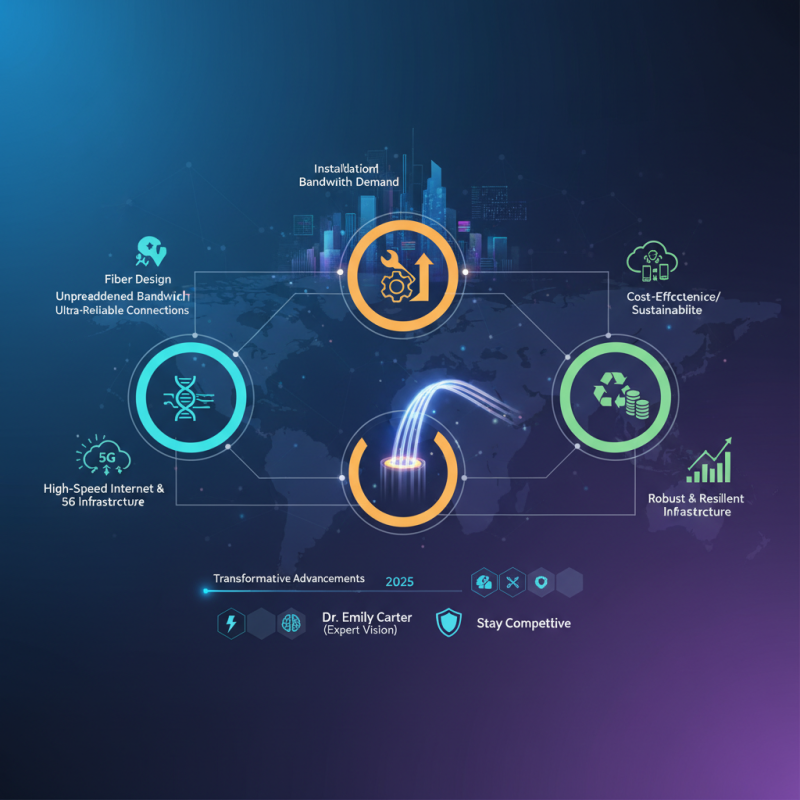
As we venture into 2025, the landscape of single mode fiber technology is poised for transformative advancements that promise to redefine the capabilities of modern networking. According to Dr. Emily Carter, a leading expert in optical fiber communications, “The future of single mode fiber technology will be driven by unprecedented bandwidth demand and the need for ultra-reliable connections.” This assertion underlines the critical importance of single mode fiber in meeting the challenges of an ever-evolving digital world.
With the proliferation of high-speed internet, the rise of 5G infrastructure, and an increasing number of connected devices, single mode fiber is becoming essential for organizations seeking to upgrade their communication networks. Key trends expected to shape the industry include developments in fiber design, enhancements in transmission efficiency, and innovations in installation techniques that promise to streamline deployment processes.
Additionally, as industries pursue sustainability and cost-effectiveness, single mode fiber technologies are likely to adapt, leading to more eco-friendly materials and practices. Understanding these trends not only equips businesses with the knowledge required to stay competitive but also highlights the critical role of single mode fiber in ensuring a robust and resilient infrastructure for the future.
Emergence of Advanced Single Mode Fiber Designs in 2025
As the landscape of telecommunications continues to evolve, 2025 will mark a significant advancement in single mode fiber (SMF) technology. With the increasing demand for high-speed data transmission and greater bandwidth capabilities, we can expect the emergence of advanced single mode fiber designs that will transform how networks are constructed and maintained. These new designs are aimed at reducing signal loss and enhancing overall network performance, allowing for longer transmission distances and higher capacity.
One of the prominent trends will be the development of ultra-low loss fibers. These advanced fibers will feature improved materials and manufacturing processes, which will minimize attenuation and allow networks to run more efficiently. Additionally, innovations in fiber construction will enable easier installation and integration with existing infrastructure, making it possible for businesses to upgrade their systems without significant downtime.
Tip: When considering upgrades to your fiber optic network, prioritize compatibility with existing equipment to ensure a seamless transition to advanced single mode fiber designs.
Furthermore, advancements in fiber optic technologies will lead to enhanced resilience against environmental factors. New techniques in fiber coating and protection will allow single mode fibers to perform reliably in various conditions, from urban environments to remote locations. This durability ensures that organizations can maintain robust and dependable communication systems.
Tip: Regularly assess your network's environmental exposure and consider investing in protective solutions for fiber installations to mitigate potential risks.
Key Technological Innovations Shaping Single Mode Fiber Performance
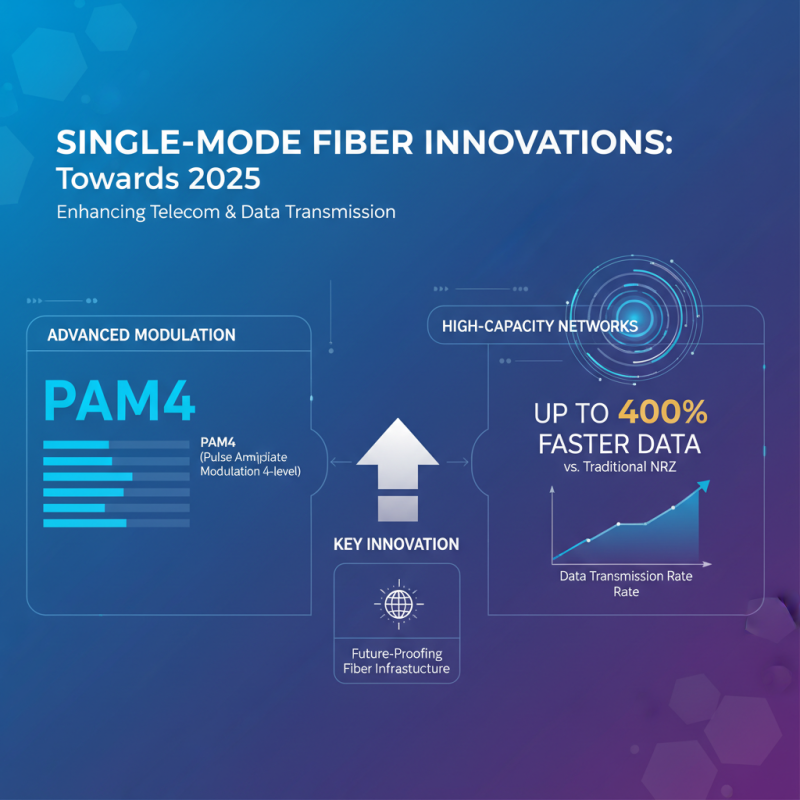
As we move towards 2025, single mode fiber (SMF) technology is poised to undergo several key innovations that will significantly enhance its performance and usability in telecommunications and data transmission. One prominent trend is the integration of advanced modulation formats, such as PAM4 (Pulse Amplitude Modulation 4-level), which can transmit data at higher rates over existing fiber infrastructures. According to industry reports, implementing PAM4 can potentially increase data transmission rates by up to 400% compared to traditional NRZ (Non-Return to Zero) formats, making it a favored choice for high-capacity networks.
Another significant innovation lies in the development of bend-insensitive fibers, which improve network reliability and reduce attenuation when the cables are subject to tight bends. Research indicates that deploying bend-insensitive single mode fiber can decrease insertion losses by as much as 50%, leading to more efficient long-haul data transmission. This technology is particularly relevant for urban environments where space constraints often lead to tighter cable installations.
Tips: When selecting single mode fiber options for upcoming projects, it’s crucial to assess the compatibility of existing infrastructure with advanced modulation technologies. Additionally, consider the long-term benefits of investing in bend-insensitive fiber to minimize future maintenance challenges and improve overall network performance. Staying informed about ongoing technological advancements can provide a competitive edge in the rapidly evolving field of telecommunications.
Integration of Artificial Intelligence in Fiber Network Management
The integration of artificial intelligence (AI) in fiber network management is set to redefine how telecommunication companies operate in 2025. By leveraging AI algorithms, network managers can enhance real-time monitoring and predictive analysis of fiber networks. This innovation not only increases efficiency but also reduces operational costs. AI can analyze vast amounts of data from the fiber network to identify potential issues before they escalate, allowing for proactive maintenance and reducing downtime.
Tips for integrating AI in your fiber network management include starting with a robust data collection strategy. Ensure that you have the right sensors and monitoring tools in place to gather accurate data. Additionally, invest in training for your staff to understand AI capabilities, as their insights will be crucial in managing AI-driven systems. Finally, consider phased implementation, starting with smaller segments of your network to assess efficacy before a full-scale rollout.
Another important aspect of AI integration is the focus on automation. Automated systems can optimize network traffic, dynamically allocate bandwidth, and significantly reduce manual intervention. This leads to smarter and more flexible networks that can adapt to changing demands. As we move closer to 2025, the synergy between AI and fiber technology will facilitate more resilient and high-performing networks, enhancing service delivery for users while fostering innovation in network management.
Future Applications of Single Mode Fiber in Smart Cities and IoT
The rapid advancement of single mode fiber (SMF) technology is poised to transform urban landscapes into smarter cities, particularly through its integration with the Internet of Things (IoT). As cities evolve, the demand for high-speed, reliable data transmission will only increase. Single mode fibers offer the bandwidth capacity required for new applications such as smart traffic management systems, enhanced public safety communications, and efficient energy grid management. By enabling seamless connectivity between millions of devices, SMF will facilitate real-time data exchange essential for the functioning of smart city infrastructure.
Tips: To leverage single mode fiber technology effectively, city planners and IoT developers should prioritize scalable network designs that can easily accommodate future growth. Investing in robust fiber optics during initial deployments will save time and resources in the long run, ensuring that cities remain adaptable to emerging technologies.
Moreover, the role of single mode fiber in connecting sensors and devices is crucial. This technology supports high-density networks that underpin smart applications like environmental monitoring and waste management systems. As cities become more interconnected, the efficiency of these applications can lead to improved quality of life for residents, demonstrating the transformative potential of integrating SMF technology with IoT.
Tips: When implementing sensor networks, consider the geographical challenges of your city. A well-planned layout that minimizes signal loss and optimizes data pathways can significantly enhance the effectiveness of IoT applications in smart urban environments.
Environmental Sustainability Trends in Fiber Optic Technology
As we look ahead to 2025, environmental sustainability is set to play a pivotal role in shaping the future of single mode fiber technology. With the global push towards greener technologies, the fiber optic industry is increasingly focusing on reducing its carbon footprint. According to a report from the International Telecommunication Union, the telecommunications sector accounts for about 2-3% of global greenhouse gas emissions, and this figure underscores the urgency for sustainable practices. This trend is mirrored by advancements in eco-friendly materials and energy-efficient production processes, which are becoming standard in fiber optic manufacturing.
One prominent initiative is the use of recycled materials in fiber optic cables. Industry experts estimate that using recycled plastic can reduce the environmental impact of fiber optics by up to 30%. Furthermore, innovations in fiber optics not only promote sustainability but also enhance performance. For instance, developments in low-energy consumption designs are enabling data centers to significantly cut down on electricity usage, aligning with the global goal of reducing energy consumption by 20% by 2030 as stated by the United Nations.
Tips: When selecting fiber optic solutions, prioritize manufacturers that emphasize sustainable practices and eco-friendly materials. Additionally, consider investing in energy-efficient infrastructure that will not only lower long-term operational costs but also contribute positively to environmental efforts. By making informed choices, companies can play an integral role in fostering a healthier planet while benefiting from cutting-edge technology.
Top Trends in Single Mode Fiber Technology for 2025
| Trend |
Description |
Environmental Impact |
Implementation Timeline |
| Advanced Fiber Materials |
Development of eco-friendly materials that enhance the performance of single mode fibers. |
Reduction in carbon footprint through sustainable sourcing and manufacturing. |
2023 - Ongoing |
| Energy Efficiency Improvements |
Innovations that reduce energy consumption in fiber optic network operations. |
Lower energy usage leads to decreased greenhouse gas emissions. |
2024 - 2025 |
| Recycling of Fiber Optics |
Establishing systems for the recycling of used fiber optic cables. |
Reduction of waste and promotion of circular economy principles. |
2025 - Future Initiatives |
| Integration with Renewable Energy |
Utilizing fiber optic technology to support renewable energy grid communications. |
Facilitates smarter energy management and lower reliance on fossil fuels. |
2023 - 2025 |
| Smart Network Monitoring |
Deployment of smart sensors in fiber networks for real-time monitoring. |
Improves maintenance efficiency and reduces unnecessary resource usage. |
2023 - Ongoing |