Why Choose Frp Angle for Your Next Project?
When considering materials for construction, one often overlooks the benefits of using Frp Angle. This innovative solution offers durability while being lightweight. Frp Angle combines strength with resistance to corrosion, making it a reliable choice for various projects.
Many industries, from construction to manufacturing, have embraced Frp Angle. Its ability to withstand harsh environments is impressive. Engineers and architects appreciate its versatility. They find it suitable for both structural and aesthetic applications. However, it is essential to consider the specific needs of your project before making a decision.
While Frp Angle presents many advantages, it's important to reflect on potential limitations. The initial cost may be higher than traditional materials. However, the long-term benefits often outweigh these expenses. Being informed about both positive and negative aspects is crucial for a successful project. Ultimately, choosing Frp Angle could lead you to smarter, more sustainable outcomes.
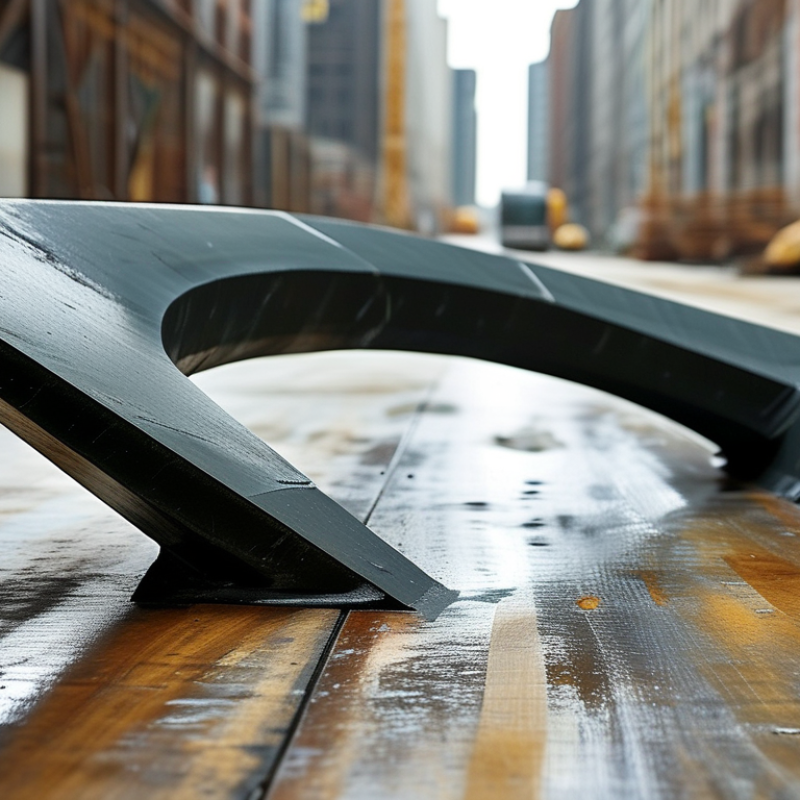
Benefits of Using FRP Angles in Construction Projects
When it comes to construction projects, selecting the right materials is crucial. FRP (Fiber Reinforced Polymer) angles are gaining traction for their unique benefits. These lightweight yet robust materials offer excellent strength-to-weight ratios. This makes them easy to handle on-site. Workers can maneuver and install them without heavy machinery.
Corrosion resistance is another standout feature of FRP angles. Unlike steel, they do not rust or degrade in harsh environments. This durability translates to lower maintenance costs over time. Imagine a coastal construction site where steel would succumb to rust. In such places, FRP shines as a reliable alternative.
The insulating properties of FRP angles further add to their appeal. They are non-conductive, making them safe options in electrical installations. Projects that require fire resistance will also benefit from FRP’s inherent properties. However, it's essential to reflect on the limitations of FRP materials. They may be more expensive upfront compared to traditional options. Evaluating these factors ensures informed project decisions.
Durability and Longevity of FRP Angle Materials
When selecting materials for construction, durability is key. Fiber Reinforced Polymer (FRP) angles stand out for their exceptional longevity. According to industry reports, FRP materials resist corrosion more effectively than traditional steel. They can last over 50 years in harsh environments, making them ideal for marine and industrial applications.
FRP angles are also lightweight, which simplifies installation. Weighing about one-fourth of steel, they reduce transportation costs. This practical advantage can lead to project savings. However, engineers must consider proper installation techniques to maximize the benefits of lightweight materials.
Despite their many advantages, FRP angles are not free from challenges. They are susceptible to UV degradation without proper coating. Additionally, the upfront cost can be higher than alternatives. Yet, the long-term savings from reduced maintenance often outweigh these initial investments. It’s crucial to evaluate all factors when making this decision.
Why Choose Frp Angle for Your Next Project? - Durability and Longevity of FRP Angle Materials
| Dimension | FRP Angle Type | Durability (Years) | Weight (lbs/ft) | Resistance to Corrosion | Common Applications |
| 1" x 1" | Standard | 30 | 0.5 | Excellent | Structural support |
| 2" x 2" | Heavy-Duty | 35 | 1.0 | Very Good | Marine applications |
| 3" x 3" | Architectural | 40 | 1.5 | Good | Support beams |
| 4" x 4" | Custom | 50 | 2.0 | Excellent | Industrial structures |
Cost-Effectiveness Compared to Traditional Materials
When planning a project, cost plays a crucial role. FRP angle, or fiberglass reinforced plastic angle, offers remarkable savings over traditional materials. It combines durability and lightweight properties, reducing transportation and installation costs. These angles resist corrosion and require minimal maintenance, which can result in substantial long-term savings for any project.
Many contractors have found that while traditional materials may seem cheaper upfront, hidden costs arise over time. For instance, steel and wood often require ongoing investments for preservation. By contrast, FRP angle's resilience against harsh environments minimizes future expenses. It’s vital to think about future costs, not just the initial purchase price.
Making the switch to FRP angles can seem daunting. The market may look unfamiliar, and the options can be overwhelming. However, understanding its cost-effectiveness helps in decision-making. Choosing FRP can lead to more financially sound projects. It’s worth researching local suppliers or online resources for more information. Remember, this choice can impact your project's overall success.
Environmental Considerations of FRP Angle Utilization
When considering materials for your next project, FRP (Fiberglass Reinforced Polymer) angles offer unique environmental advantages. Their lightweight nature reduces transportation emissions. This is crucial in today's eco-conscious world. Additionally, FRP angles boast outstanding resistance to corrosion. They contribute to longer-lasting infrastructures, minimizing the need for frequent replacements.
Tips: Always assess the life cycle of your materials. Consider their sustainability from extraction to disposal.
Utilizing FRP can significantly decrease the carbon footprint of your project. The manufacturing process often consumes less energy compared to traditional materials. This not only supports a healthier environment but also potentially lowers costs in the long run. However, the production of FRP still requires careful management of resources. It may not be a perfect solution for every application.
Tips: Research local recycling options for FRP, and ensure compliance with environmental regulations. Engage with local experts for guidance on best practices.
In conclusion, the environmental benefits of FRP angles are compelling. They can support sustainability goals while delivering performance and durability. However, responsible usage and continuous evaluation of their impact are necessary. Making informed choices can lead to effective and eco-friendly construction solutions.
Applications of FRP Angles in Various Industries
FRP angles are becoming a popular choice in various industries due to their lightweight and corrosion-resistant properties. In construction, these materials provide critical support in structures exposed to harsh environments. Bridges and marine applications greatly benefit from FRP angles, which withstand saltwater without degrading. The durability of FRP angles makes them ideal for outdoor projects.
In the electrical sector, FRP angles are often used for equipment support. They are non-conductive and highly reliable, making them suitable for electrical installations. Transport industries use them as well, where weight reduction is key to improving fuel efficiency. However, some users find the initial cost of FRP angles to be higher than traditional materials, leading to discussions on budget versus long-term performance.
Tips: Always assess the environmental conditions before selecting materials. Test different configurations to determine the best fit for your project requirements. Consider the longevity and potential maintenance costs, as this can impact overall value. Balancing immediate expenses with future savings is important.
Applications of FRP Angles in Various Industries