Why Is a Power Rail Insulator Essential?
A Power Rail Insulator may look like a small support beneath an energized conductor rail, but its role is substantial. It separates live electrical equipment from the track structure, helping limit unintended current paths while holding the rail in position. In service, it faces vibration, moisture, dust, temperature changes, and repeated mechanical loading. A hairline crack or a film of conductive grime can matter. Small parts carry serious responsibilities.
The wider railway context makes dependable insulation important. The International Energy Agency’s 2019 report, The Future of Rail, estimated that rail carried about 8% of global passenger transport and 7% of freight, while using roughly 2% of transport energy. Those figures describe rail’s scale, not insulator failure rates. That distinction matters. Insulator performance depends on the system design, operating environment, inspection practices, and material condition; no single product specification guarantees reliability everywhere. Engineers therefore assess electrical clearances, creepage paths, mechanical strength, and resistance to weathering together. Standards and test results should be checked against the intended application, rather than treated as interchangeable proof.
The component is easy to overlook. Yet a damaged insulator can contribute to service disruption, maintenance work, or electrical hazards. This introduction examines why Power Rail Insulator selection and upkeep deserve careful attention, what demands the component must withstand, and which practical checks help identify wear. There is no perfect part. Good engineering starts by recognizing that.
What Is a Power Rail Insulator?
What Is a Power Rail Insulator?
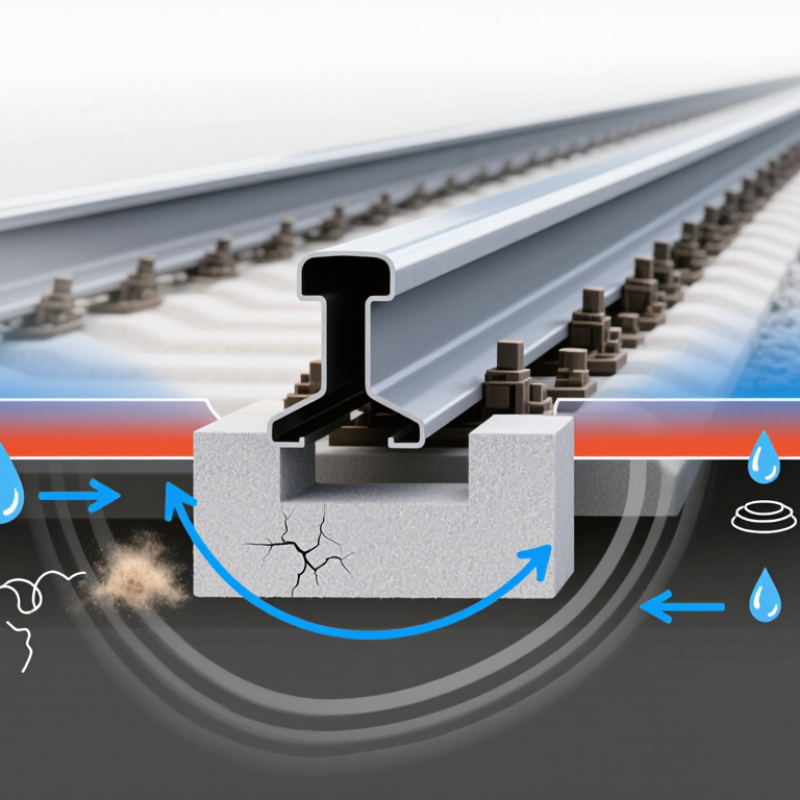
A power rail insulator is a non-conductive fitting between an energized conductor rail and its supporting structure. It holds the rail at the required height and spacing while limiting unwanted current flow into supports, fasteners, or nearby structures. Common designs use porcelain or engineered composite materials, selected for mechanical strength and resistance to weathering. The exact choice depends on voltage, exposure, and maintenance needs.
This small component has a demanding job. The International Energy Agency’s 2019 report, The Future of Rail, estimates rail carries 8% of global passenger transport and 7% of freight, using about 2% of transport energy. Those figures describe rail overall, not insulator performance, but they show the scale of systems that rely on dependable electrical infrastructure. Moisture, dust, salt, or a hairline crack can reduce an insulator’s effectiveness. The definition sounds simple; field conditions are not.
Tips: During scheduled inspections, look for cracks, surface tracking, contamination, and loose mounting hardware. Record changes over time, since one clean visual check cannot confirm electrical condition. Follow the railway’s approved inspection procedure, and treat every energized rail as hazardous.
Why Is a Power Rail Insulator Essential? - What Is a Power Rail Insulator?
| Aspect | What It Means | Why It Matters | Typical Design or Inspection Consideration |
| Definition | A power rail insulator is an insulating component fitted between an electrified conductor rail and its supporting structure. | It helps keep the energized rail electrically separated from supports and other conductive parts. | Confirm that the insulator is suitable for the rail system’s electrical and mechanical requirements. |
| Electrical isolation | The component provides a non-conductive path between the conductor rail and its mounting structure. | It helps limit unintended current flow and reduces the risk of electrical faults. | Check for cracks, tracking marks, contamination, or other damage that may compromise insulation. |
| Mechanical support | Insulators help hold the power rail in its specified position while carrying loads transferred through the rail assembly. | Stable positioning supports reliable current collection and helps maintain required clearances. | Inspect fixings, alignment, wear, and signs of movement or impact damage. |
| Common materials | Depending on the system, insulators may use porcelain, glass-reinforced polymer, or other engineered insulating materials. | Materials differ in mechanical strength, environmental resistance, weight, and maintenance needs. | Select materials according to the project specification and local operating environment. |
| Environmental exposure | Outdoor and tunnel installations can encounter moisture, dust, salt, temperature changes, vibration, and pollution. | Deposits and moisture can increase surface leakage, while weathering or vibration can contribute to deterioration. | Use an inspection and cleaning schedule appropriate to the site’s exposure and operating conditions. |
| Clearance and creepage | Electrical design considers the air distance between conductive parts and the surface path along the insulator. | Suitable distances help reduce the likelihood of flashover or surface tracking under specified conditions. | Follow the applicable design standards and system requirements; do not infer safe distances from appearance alone. |
| Maintenance | Routine inspection checks the condition of the insulating body, mounting hardware, and surrounding surfaces. | Early detection of damage or contamination can help prevent service interruptions and electrical hazards. | Isolate equipment and follow approved railway electrical safety procedures before inspection or maintenance. |
| Safety limitation | An insulator is one part of an electrical protection system; it does not make an energized power rail safe to touch. | Power rails can present a serious shock or arc hazard even when an insulator appears intact. | Treat the rail as energized unless authorized procedures confirm that it has been isolated and made safe. |
Note: Material choices, dimensions, and inspection intervals depend on the rail system, operating voltage, applicable standards, and site conditions.
How Insulators Support and Isolate Power Rails
A power rail insulator carries the rail’s physical load. It also separates the energized conductor from its supporting frame. The rail may be copper or aluminum, but its weight is only part of the load. Bolted joints, vibration, and thermal expansion can also stress the insulator. Its shape and mounting points help maintain spacing and resist movement. Surface distance matters, too. Dust or moisture can create a conductive path across exposed surfaces, especially when cleaning and inspection are neglected. Small gaps matter.
An insulator may sit between a busbar and a metal cabinet. Fasteners need the specified torque, since over-tightening can crack some materials. Material choice depends on voltage, temperature, contamination, and mechanical loading. Ceramic and engineered polymers behave differently, so they should not be assumed interchangeable. A drawing alone cannot reveal every installation weakness. That deserves a second look. Qualified technicians can check for chips, loose hardware, discoloration, and unusual tracking marks when equipment is safely isolated. Actual conditions vary.
Why Is a Power Rail Insulator Essential?
How insulators support and isolate power rails
An insulator supports a power rail while keeping it electrically separated from conductive structures. For a 600 V difference, the ideal average electric field is estimated as voltage divided by separation; increasing separation lowers this average field. Actual insulation design also depends on material, geometry, creepage distance, environment, and applicable safety standards.
How Insulators Reduce Electrical and Mechanical Hazards
Why Is a Power Rail Insulator Essential?
A power rail insulator separates an energized conductor from its supporting structure. This barrier helps limit unintended current paths, reducing the chance of shocks, short circuits, or equipment damage.
Small gaps matter.
The insulator also holds the rail in position, helping maintain consistent clearance as equipment moves or vibrates.
Electrical protection depends on condition and correct installation. Dust, moisture, cracks, or a loose fastener can weaken performance. A surface may look intact while a hairline fracture is easy to miss.
It is tempting to treat the component as a passive spacer. That view is incomplete. Insulators also face mechanical stress from vibration, impact, thermal changes, and the weight of connected parts. If one shifts, the rail may lose alignment and create added wear or clearance problems.
Routine inspection should consider both the insulating surface and its supports. Look for chips, tracking marks, unusual discoloration, looseness, and debris buildup. A visual check helps, but it cannot confirm every internal defect or electrical property. Follow the equipment manufacturer’s specifications and use qualified personnel for testing or replacement. No insulator removes every hazard; surrounding guards, safe procedures, and timely maintenance still matter.
Which Materials and Design Factors Matter?
Material choice starts with the rail’s voltage, expected load, and surroundings. Porcelain handles heat and compression well, but it can crack after impact. Glass-reinforced polymers are lighter and resist corrosion, though their surfaces need protection from moisture and electrical tracking. Silicone rubber sheds water effectively. It may still collect dirt in polluted locations. No material is perfect.
Design details matter just as much. A longer creepage path helps limit leakage across a wet or contaminated surface. Rounded edges reduce electric-field concentration, while adequate thickness supports mechanical loads and vibration. Mounting holes should fit accurately; a small misalignment can place uneven stress on the insulator. Check clearances against the rail, nearby metalwork, and maintenance tools. Small gaps matter.
Temperature swings, ultraviolet exposure, ice, and cleaning chemicals can change how a material performs over time. Designers should review test data for the actual service conditions, not rely on a material label alone. In practice, test results cannot capture every mix of dust and weather. That uncertainty deserves attention. Inspectable surfaces and replaceable fittings can make maintenance easier, especially where access is limited. A compact design may save space, but it can also make cleaning awkward.
How Inspection and Maintenance Affect Service Life
Why Is a Power Rail Insulator Essential?
How Inspection and Maintenance Affect Service Life
Power-rail insulators support live conductors while keeping current away from supporting structures. Their service life depends on more than material quality. Dust, water, vibration, and temperature changes can slowly weaken surfaces and fittings. A hairline crack matters. It can collect moisture, encourage electrical tracking, and grow under repeated movement.
During inspections, check for cracks, chalking, burn marks, corrosion, loose hardware, and unusual discoloration. Record each defect with its location and date, then compare photographs over time.
The Federal Transit Administration’s 2022 Conditions and Performance report estimated a $101.4 billion state-of-good-repair backlog across U.S. transit assets. That figure is not specific to power-rail insulators, but it shows the scale of deferred maintenance across transit systems.
A consistent inspection routine helps crews spot deterioration before it becomes an urgent repair. Clean insulators only with approved methods; abrasive tools can damage the surface. Also check nearby drainage and cable supports, since water or movement can affect an otherwise sound insulator.
Tips: Inspect after flooding, heavy contamination, or unusual vibration. Keep a simple condition log. Small, repeatable checks often reveal trends that one-off inspections miss. Still, inspection cannot predict every failure, so review findings with qualified electrical-maintenance staff.
